Money & Currency Exchange in Bali
Rupiah, ATMs, and how to avoid the classic exchange-counter scams
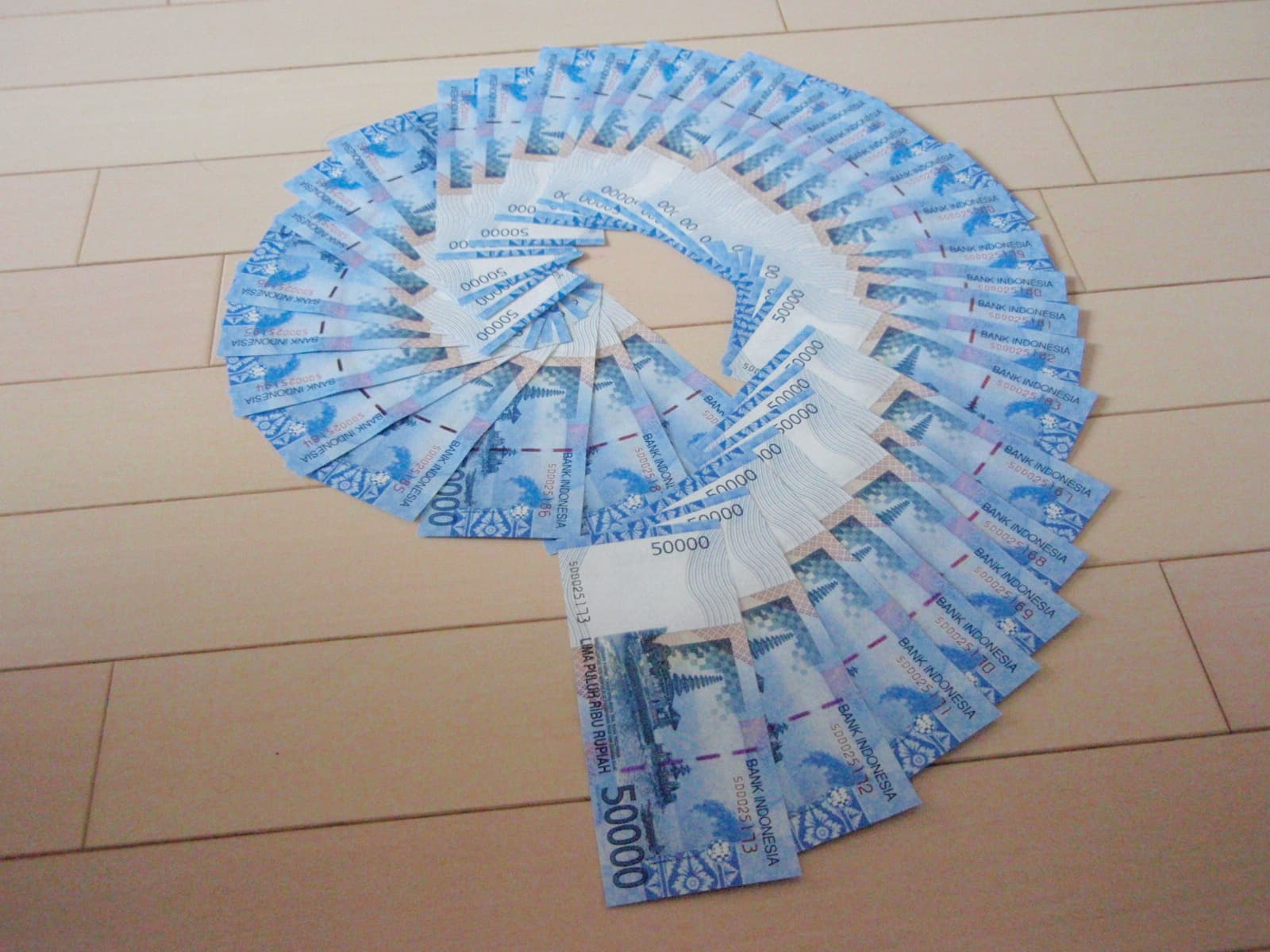
Indonesia's currency is the Rupiah (IDR), and the numbers take getting used to — a decent meal can be 50,000 IDR while a beachfront villa quotes in tens of millions. Cash is still widely used outside big cities and malls, though QRIS QR-code payments have spread fast, even at small warungs.
Quick facts
Where to exchange
Stick to licensed money changers displaying a 'PT' authorization and a rate board matching what's posted outside — the classic Bali scam involves rigged calculators or sleight-of-hand shortchanging at unlicensed booths, especially around Kuta and Legian. Reputable chains and hotel-adjacent changers are safer than street-side stalls with unusually good rates.
ATMs & cards
ATMs are everywhere in tourist areas; withdrawal limits and fees vary by bank (BCA and Mandiri are widely used and reliable). Notify your home bank of travel dates, and expect a foreign transaction fee on top of the local ATM fee unless you use a fee-free travel card.
QRIS & digital payments
QRIS (Indonesia's unified QR payment standard) now works at most cafes, warungs and even some market stalls — scan, enter the amount, done. It's often faster than cash for small purchases and increasingly the default among younger vendors.
Practical tips
- —Never let a money changer count your cash out of your sight — count it yourself, twice.
- —Google the current exchange rate before you go so you can spot a bad deal instantly.
- —Small denomination notes are genuinely useful — many warungs and drivers can't break a 100,000 IDR note early in the day.
- —Set up a travel debit card with no foreign transaction fees before you fly — it pays for itself within a week.