Diving Around Gunung Api
A coral wall wrapping an active volcano — diving that regulars rank among the best in the world, in water almost nobody dives
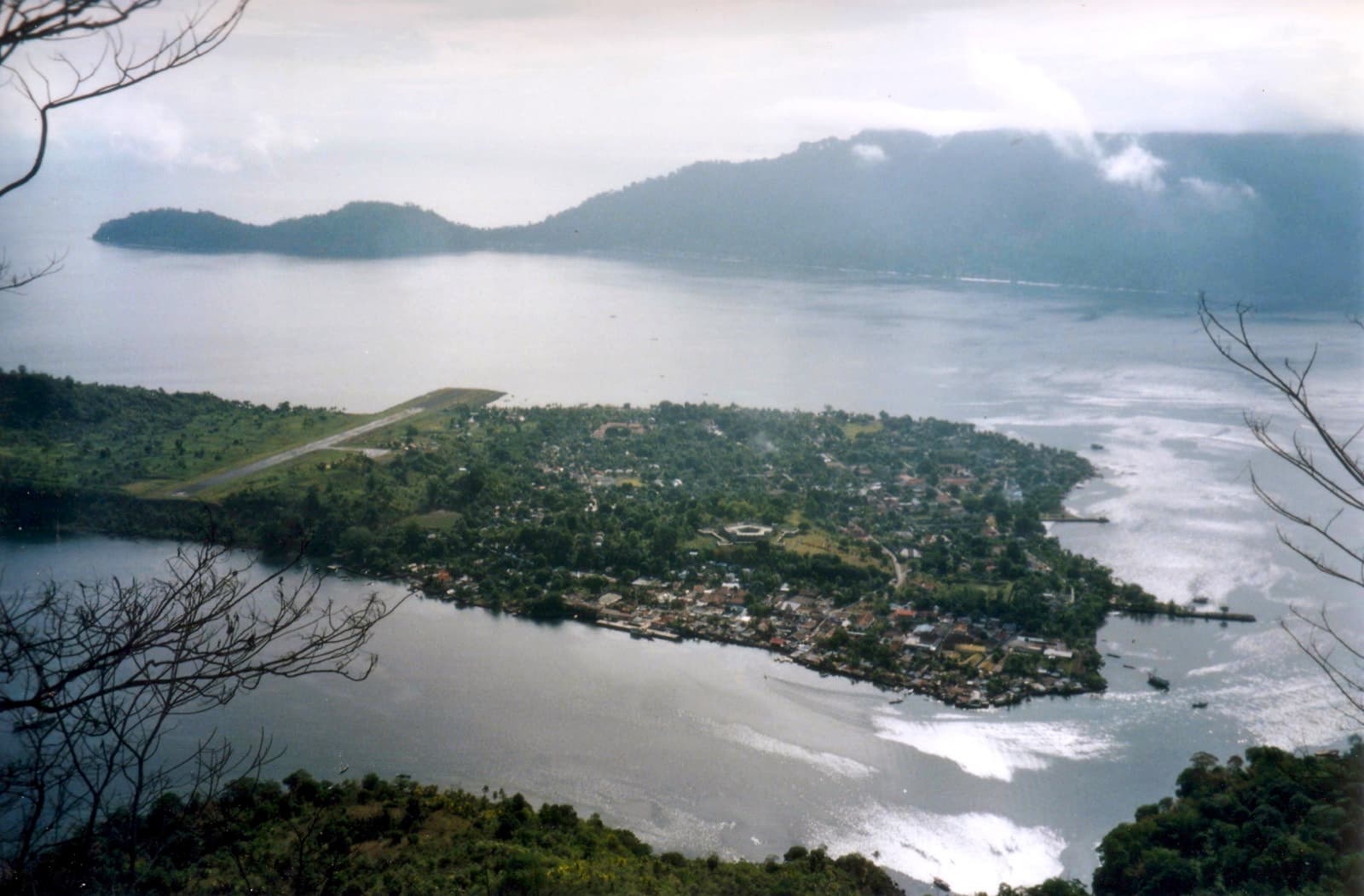
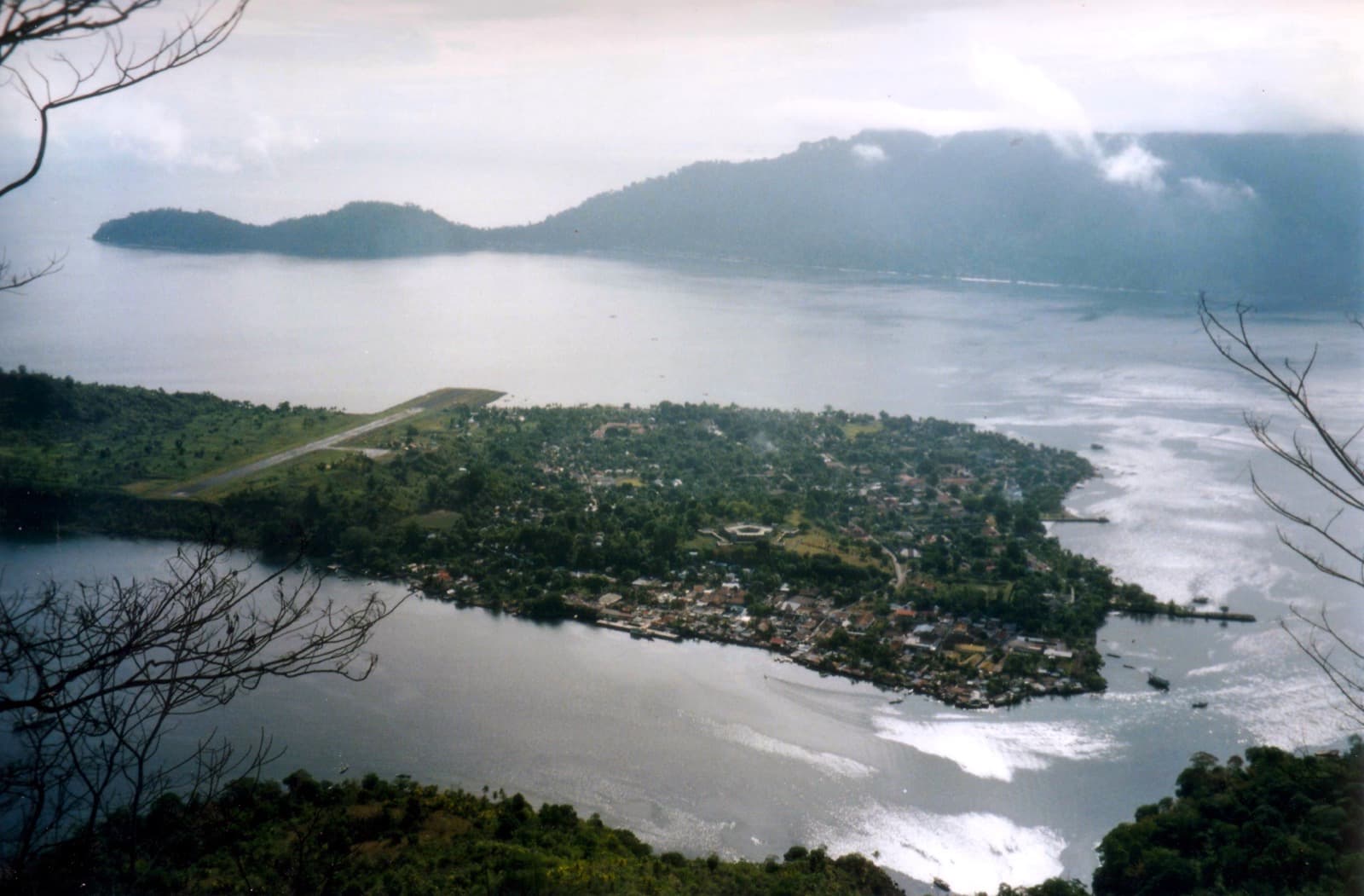
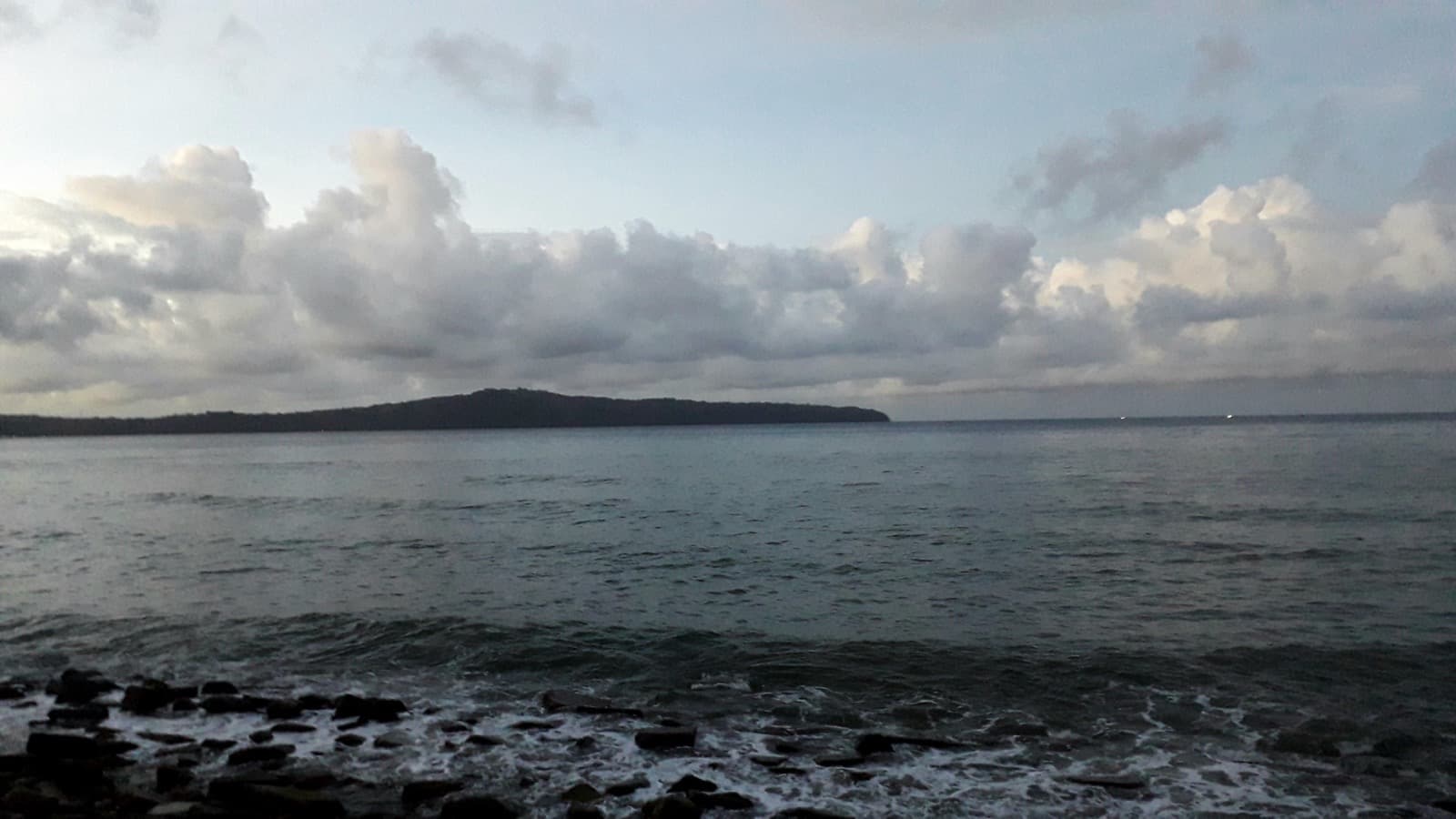
Gunung Api, the active volcano rising directly from the sea at the heart of the Banda archipelago, has a coral reef wrapping its underwater slopes that experienced divers who've made the journey often rate among the finest diving anywhere — a serious claim given how few people ever get to compare it firsthand.
Quick facts
The reef itself
Volcanic nutrients feeding the surrounding water support exceptionally dense, healthy coral growth on Gunung Api's slopes, with visibility often excellent and a genuine sense of diving somewhere still essentially untouched by mass tourism.
Diving an active volcano
Gunung Api last erupted in 1988 and remains active, though diving around it is a well-established, generally considered safe activity when done through knowledgeable local operators — a genuinely unusual thing to be able to say about a dive site.
Practical diving logistics
Dive operators in Banda Neira arrange trips out to Gunung Api and other nearby sites — this is a small-scale, specialist dive scene rather than a developed dive-resort industry, so booking through a known local operator matters more here than in more touristed parts of Indonesia.
Practical tips
- —Book dives through an established Banda Neira operator — this isn't a dive-shop-on-every-corner destination, so word-of-mouth and research matter.
- —Bring your own dive gear if you have strong preferences — rental options are more limited than in major Indonesian dive hubs.
- —This is a serious diving destination for those who've made the effort to get here — don't expect beginner infrastructure comparable to Bali or the Gilis.
- —Combine diving days with the islands' nutmeg and colonial history for a fuller trip — most visitors don't come only for the reef.