The Nutmeg Trade History
The single reason European colonial powers fought wars over a tiny cluster of islands most people can't find on a map
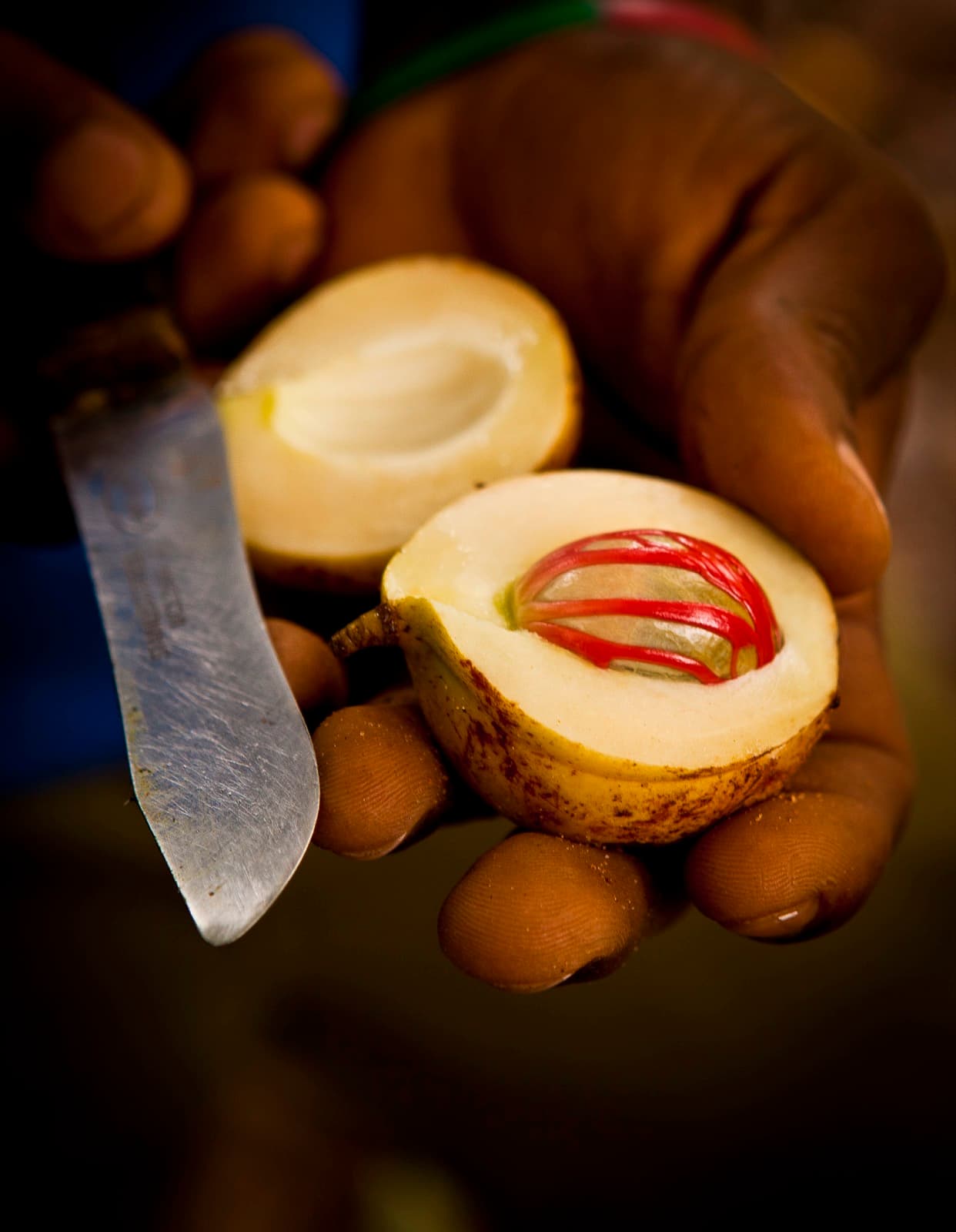
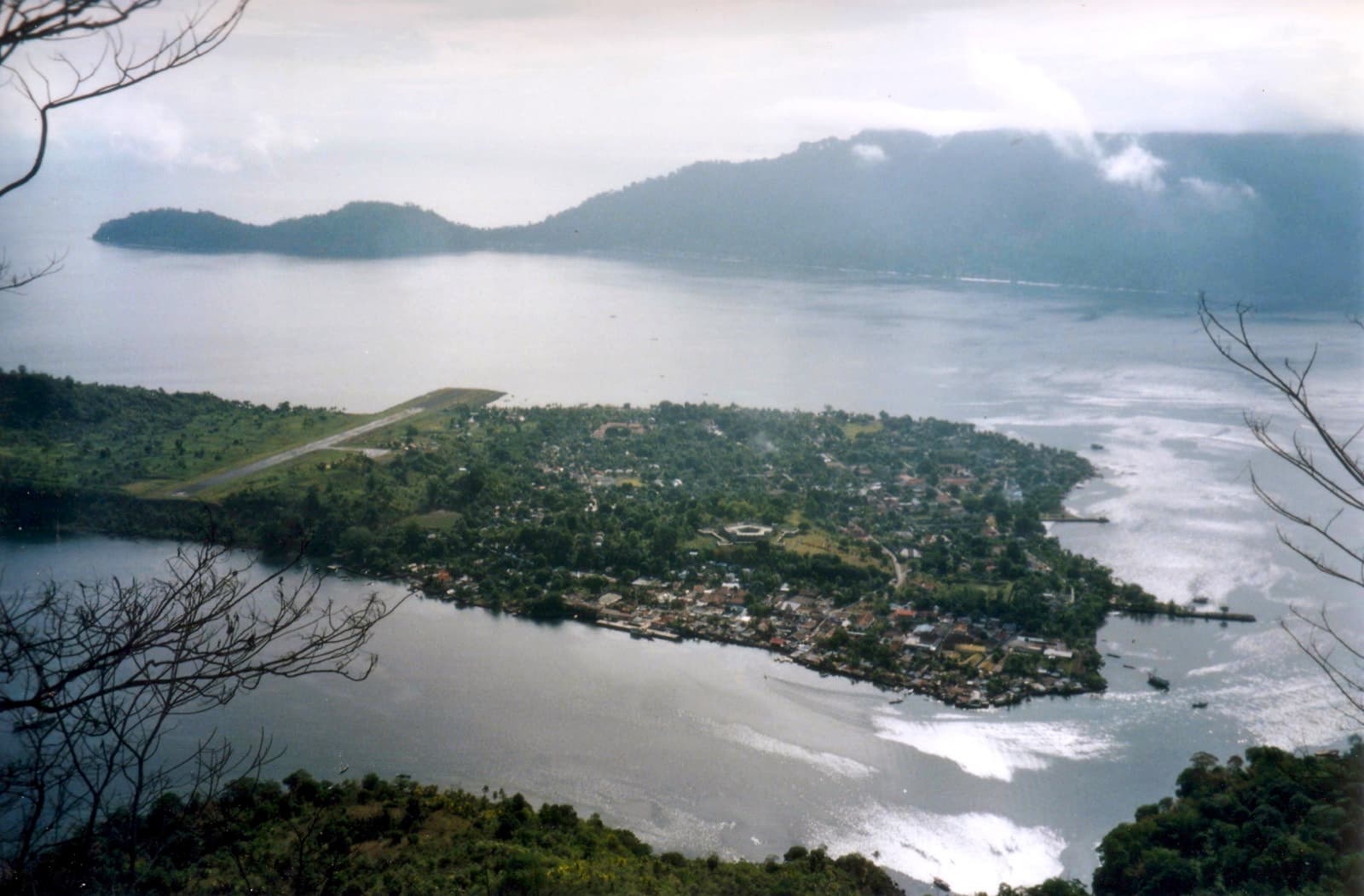
Until the late 18th century, the Banda Islands were the world's only source of nutmeg and mace — a monopoly so valuable that Dutch, Portuguese, English and other colonial powers fought over control of these ten small islands for centuries, with consequences (including a documented 17th-century massacre of much of the indigenous Bandanese population) that still shape the islands' history and demographics today.
Quick facts
Why nutmeg mattered
In an era before refrigeration, nutmeg was valued in Europe both as a flavoring and — inaccurately but powerfully believed — as a plague cure, making it worth genuinely more than its weight in gold at points in history. The Banda Islands' unique volcanic soil and climate meant nutmeg trees (Myristica fragrans) grew nowhere else commercially viable at the time.
The Dutch monopoly
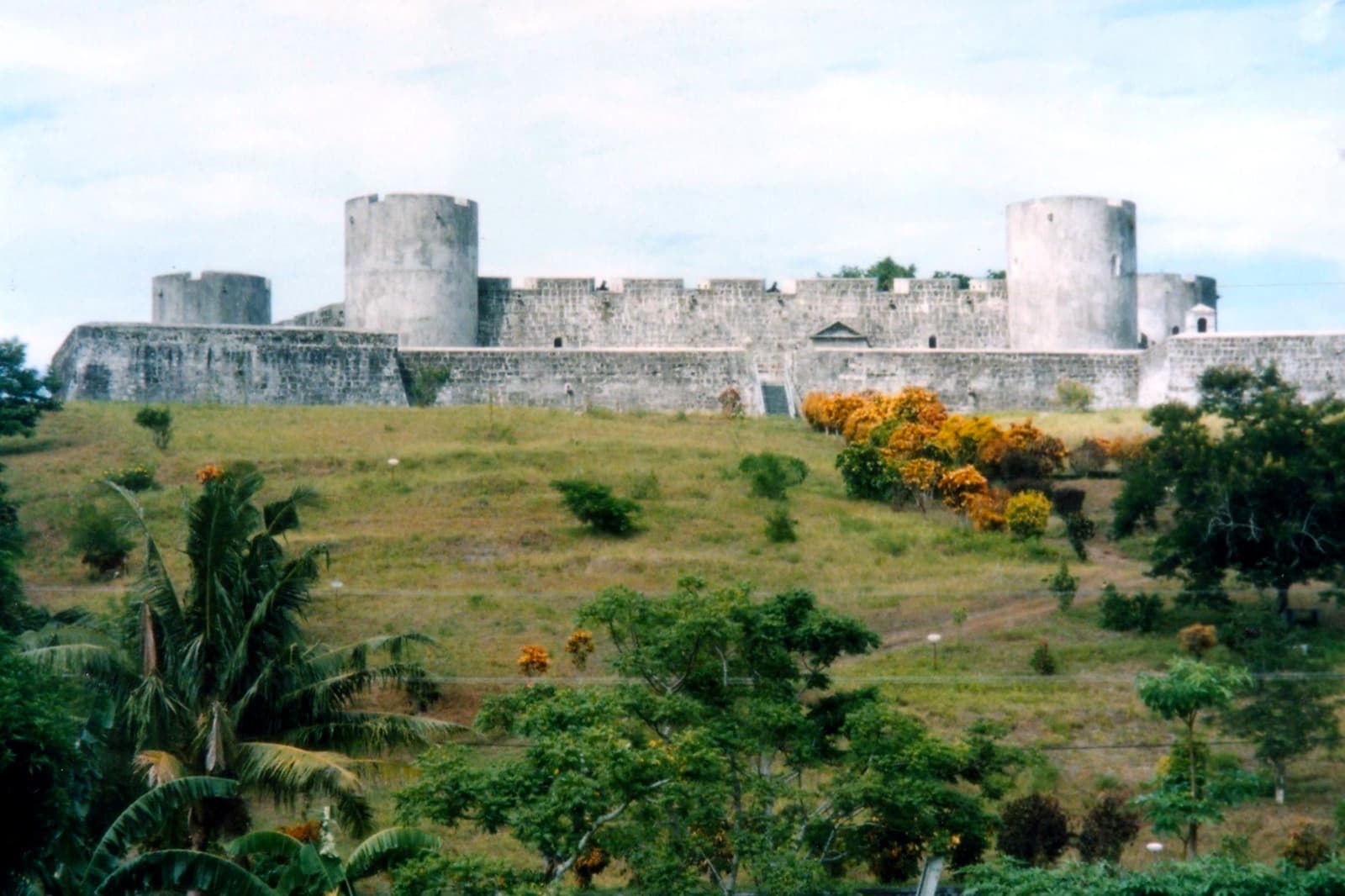
The Dutch East India Company (VOC) violently secured control of the islands in the 1620s, killing or displacing most of the indigenous Bandanese population and replacing the labor force with a plantation system worked largely by enslaved and indentured people — a brutal history that's essential context for understanding the islands today, not a footnote.
Visiting plantations today
Some old nutmeg plantations (perkenier estates) still operate on a small scale and can be visited, with owners or guides explaining the traditional cultivation and processing method — a working link to a trade that once justified colonial wars, now a quiet agricultural sideline.
Practical tips
- —Approach this history with the weight it deserves — the 17th-century Dutch conquest involved genuine atrocities against the Bandanese population, not just a quaint trading story.
- —A local guide adds essential context to plantation visits, including perspectives on the islands' colonial and post-colonial history.
- —Buying nutmeg or mace directly from a local plantation supports small-scale local agriculture still tied to this centuries-old crop.
- —The islands' history connects to a genuinely global story — the 1667 Treaty of Breda that ceded Manhattan to England partly involved a trade for Dutch control of one Banda island, Run.