Yogyakarta
Java's cultural capital — the Sultan's palace, batik workshops, and a genuinely walkable old town
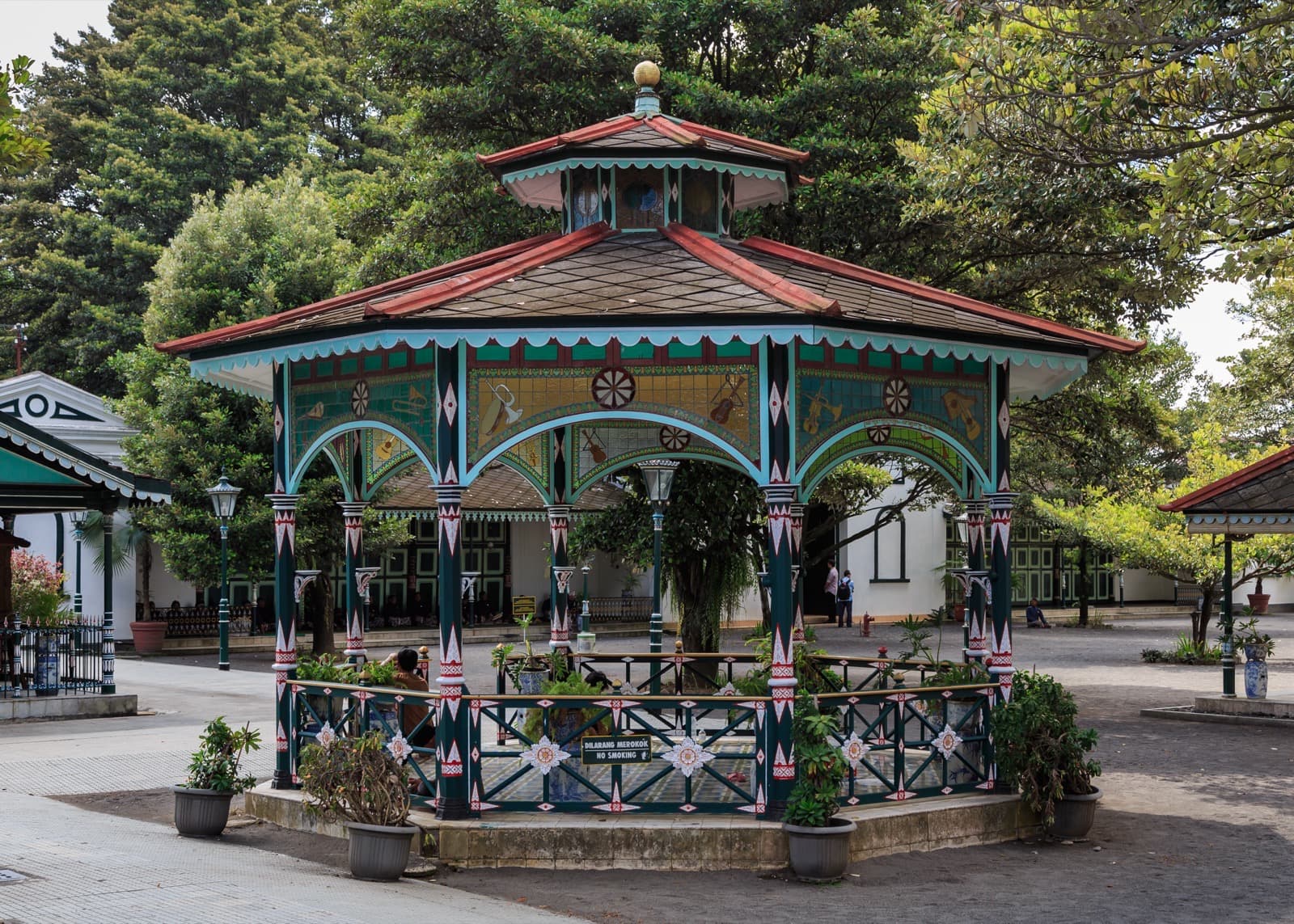
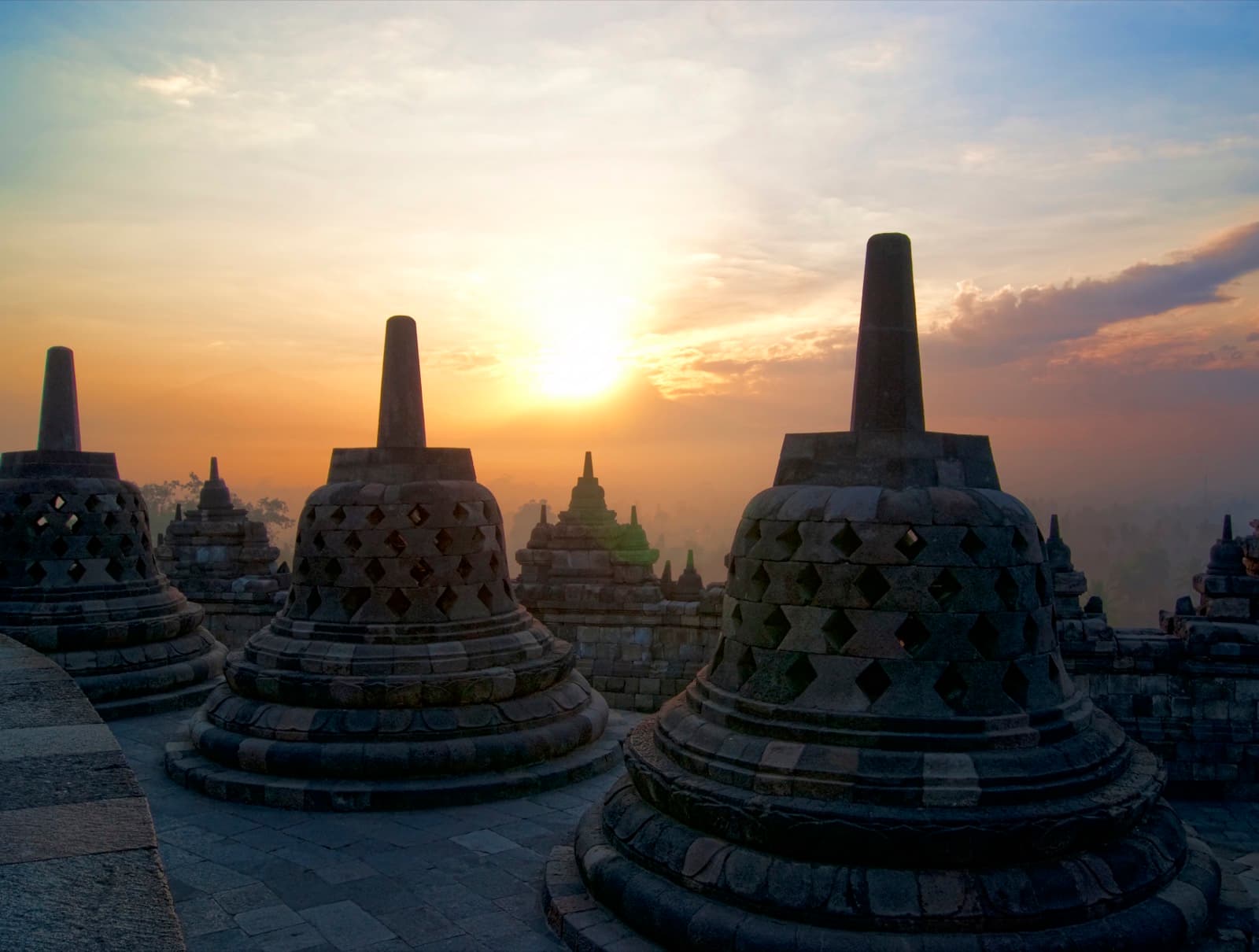
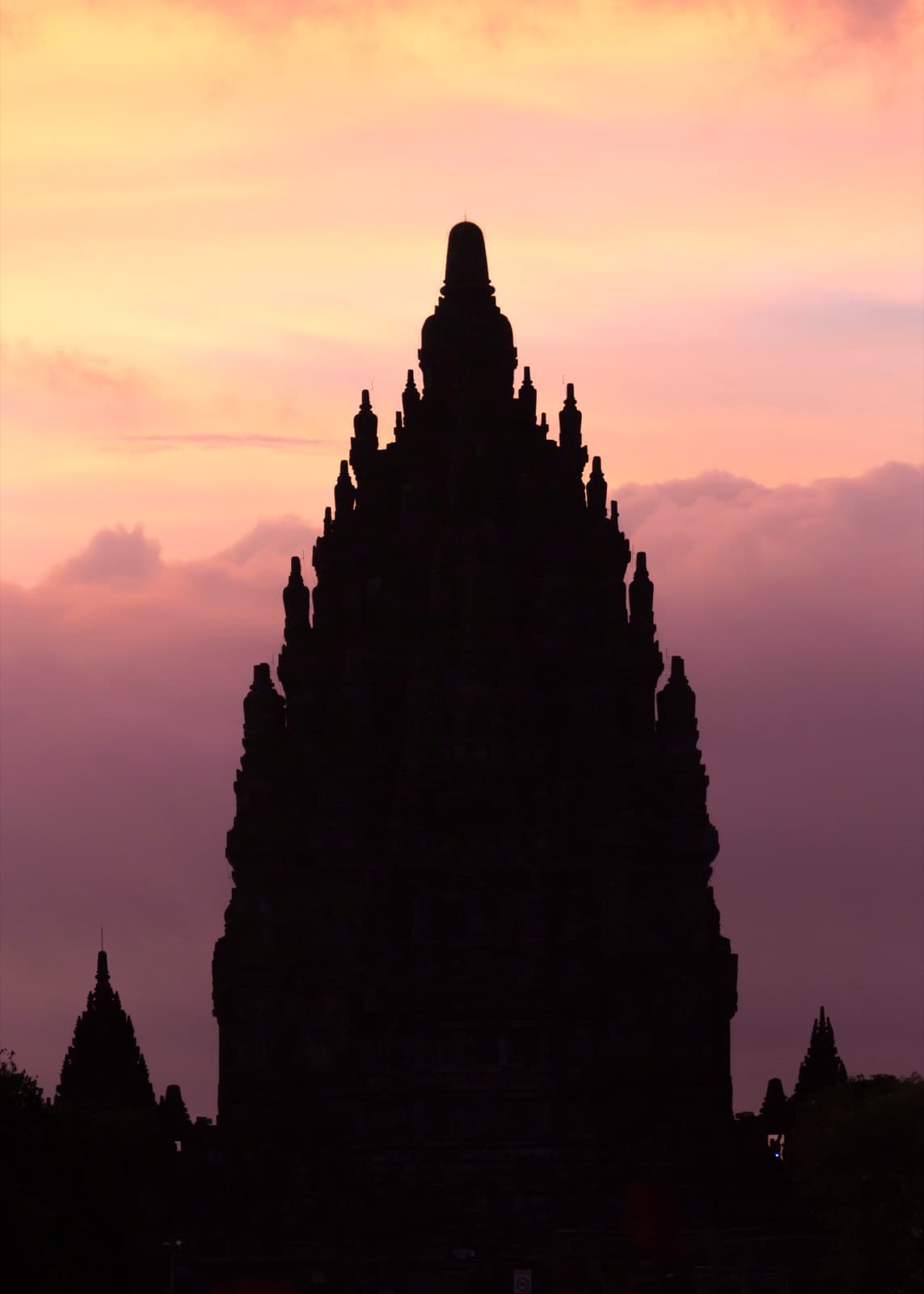
"Jogja" is where most Borobudur and Prambanan trips are based, but it's worth a couple of days on its own: a living royal court (the Kraton), a UNESCO-recognized batik tradition you can watch being made, and a slower, more human-scaled pace than Jakarta.
Quick facts
The Kraton (Sultan's Palace)
The Yogyakarta Sultanate is still an active, constitutionally recognized institution, and the Kraton is both a museum and a functioning royal residence. Gamelan orchestra rehearsals and traditional dance performances happen on a regular weekly schedule — check current times at the entrance or online before planning your visit.
Batik workshops
Yogyakarta's batik tradition (wax-resist dyeing, recognized by UNESCO as Intangible Cultural Heritage) is genuinely hands-on to learn — small workshops around the Kraton and Taman Sari areas offer a few hours making your own piece with a canting tool, alongside the inevitable batik gallery tour.
Malioboro Street & the old town
Malioboro is the main tourist strip — street food, batik shops, andong horse carts — busy but worth a walk in the evening. The old town's back streets (Kotagede, the historic silver district) are far quieter and better for actually seeing how the city lives.
Practical tips
- —Check the Kraton's gamelan/dance performance schedule before you go — it's the difference between an empty museum and a genuinely alive cultural site.
- —A becak (pedicab) or andong (horse cart) tour of the old town is touristy but a legitimately good way to cover Kotagede's back streets.
- —Yogyakarta International Airport (YIA) is well outside the city — budget over an hour for the transfer, longer in traffic.
- —Base here 2–3 nights minimum if you're doing both Borobudur and Prambanan properly, not just a rushed day trip from Bali.