Diving in Raja Ampat
The highest marine biodiversity on the planet, according to marine biologists — and it looks like it
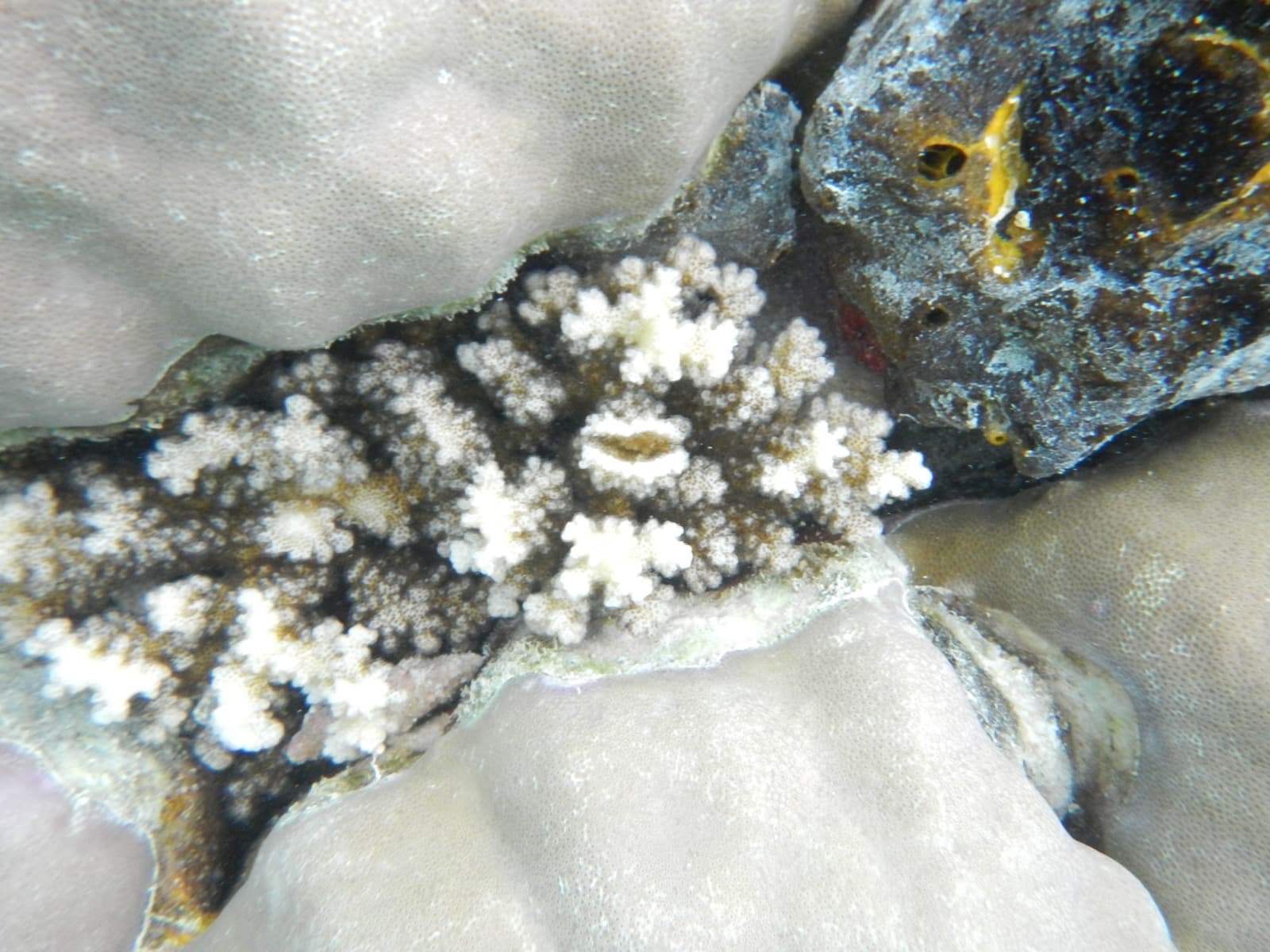
Marine surveys have repeatedly found Raja Ampat to have more coral and reef fish species than anywhere else on Earth — the heart of the Coral Triangle — which makes this one of the most serious dive destinations anywhere, not a casual add-on to a beach holiday.
Quick facts
What makes it different
It's not just quantity of fish but genuine species diversity — walls, slopes and channels packed with soft coral, pygmy seahorses, wobbegong sharks resting on the seabed, and regular manta ray cleaning stations, often within the same general area rather than spread across separate specialized sites.
Liveaboard vs land-based diving
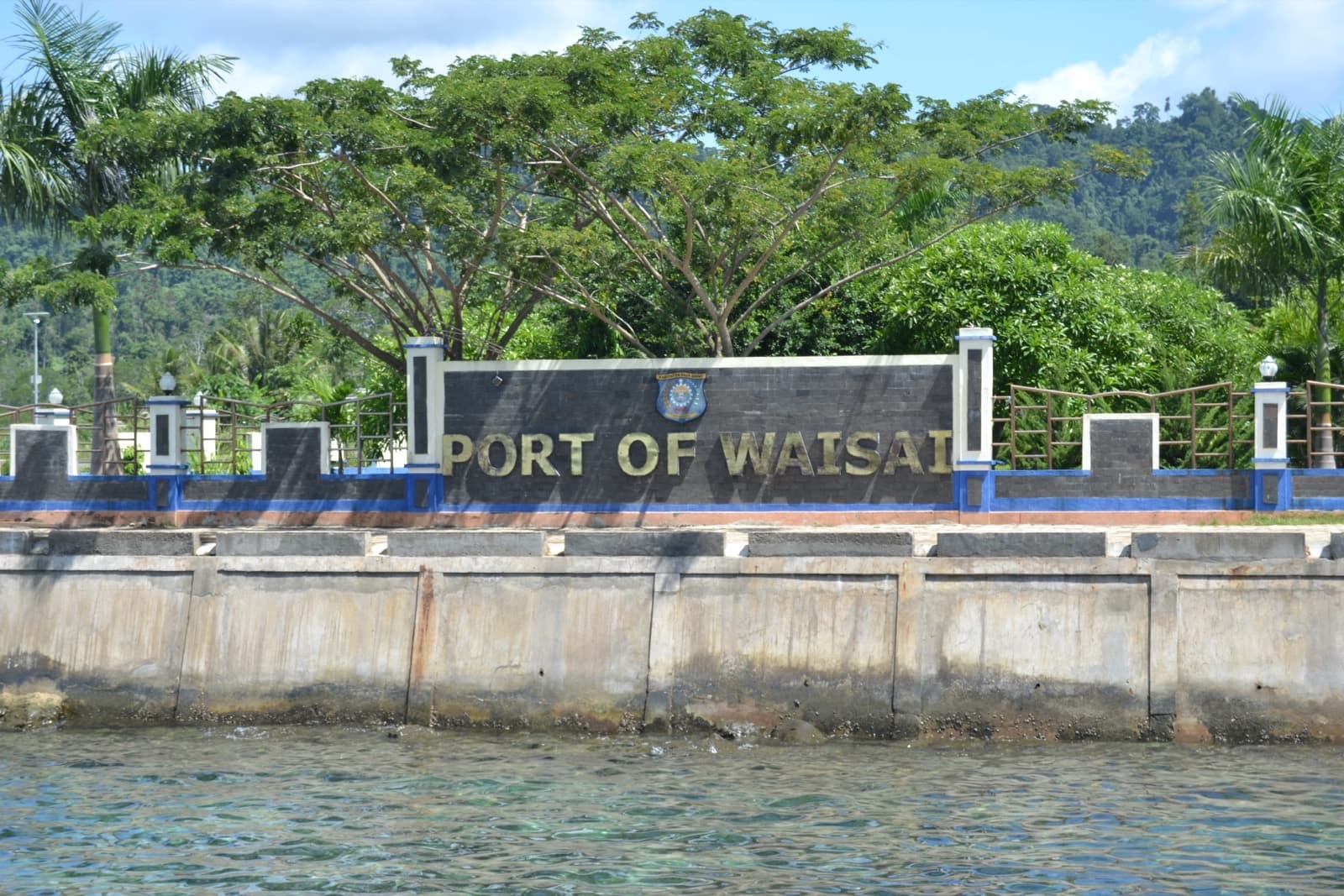
Serious divers typically join a liveaboard to reach the full spread of sites across the region's scattered islands, though land-based diving from homestays or Waisai-area dive resorts covers a genuinely good subset of sites for those without liveaboard time or budget.
Certification level needed
Some sites (particularly current-swept channels) are for experienced divers only, but a meaningful number of Raja Ampat's best sites are accessible to newly certified Open Water divers — this isn't an advanced-only destination across the board, though currents deserve real respect throughout.
Practical tips
- —Book a liveaboard specifically if covering multiple regions (Dampier Strait, Misool, etc.) matters to you — land-based diving covers less ground.
- —Currents can be strong at many sites — dive with an operator who briefs conditions properly, especially if you're newly certified.
- —This is a genuinely premium diving destination — budget accordingly, it's not the cheapest diving in Indonesia (that's Gili/Bali), but it's arguably the best.
- —October–April tends to have the calmest conditions and best visibility; avoid the July–August southeast monsoon if possible.