Overwater Homestays
The budget-friendly, community-run alternative to a liveaboard — simple huts, real reefs right below
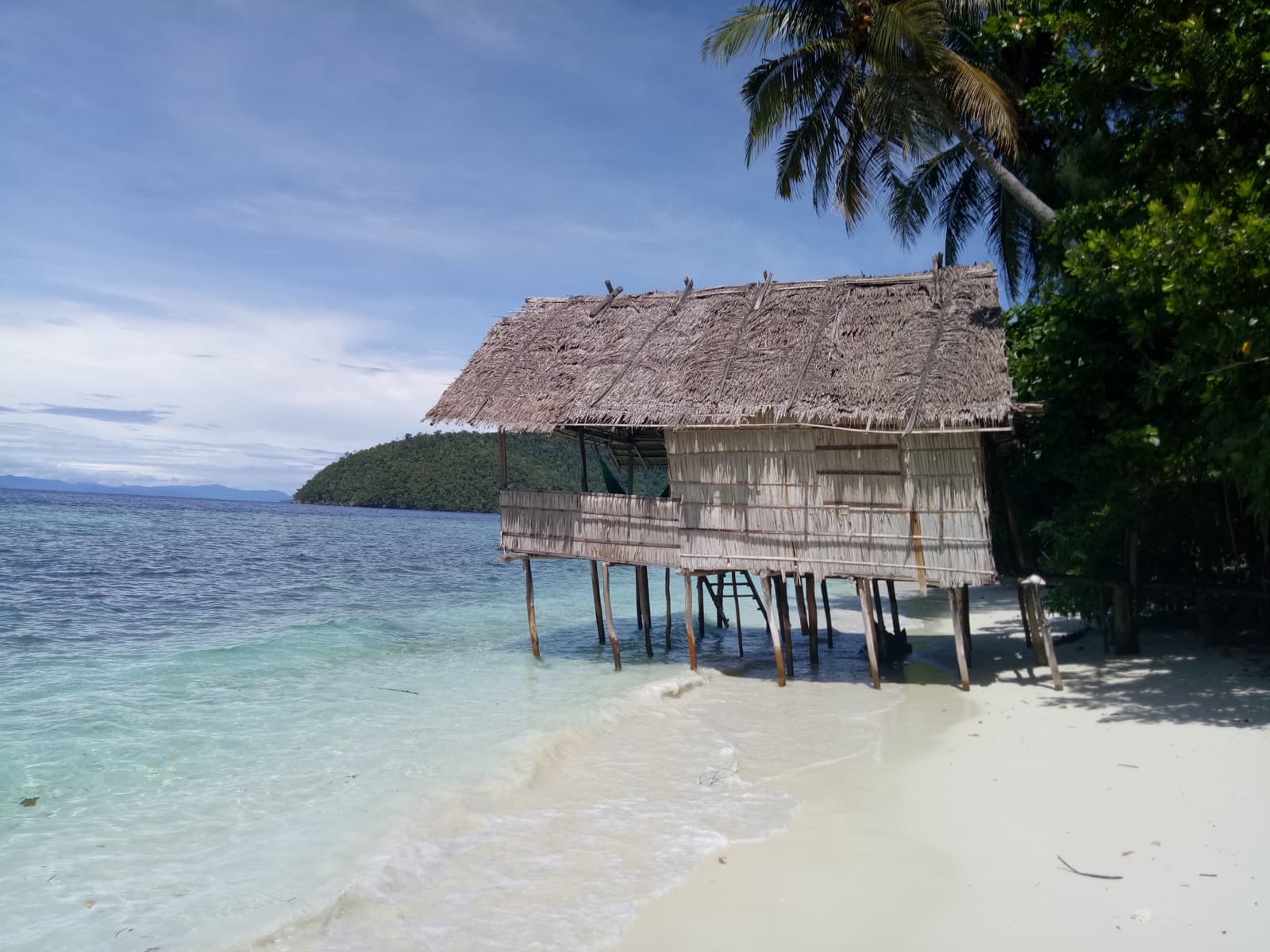
Alongside the liveaboard scene, Raja Ampat has a genuinely distinctive network of family-run homestays — simple wooden bungalows, often built out over the water on stilts, run by local villages and offering a far cheaper, slower-paced way to experience the region's reefs than a chartered boat.
Quick facts
What to expect
Homestays are simple by design — basic rooms, shared or simple bathrooms, meals cooked by the host family, and often no reliable electricity beyond set hours from a generator. What you're paying for is location: many sit directly over healthy reef, with snorkeling a few steps from your door.
Community-based tourism
This is a deliberate model, not just a budget option — homestay income goes directly to village families and is tied into Raja Ampat's marine conservation efforts, making it a genuinely different economic relationship with the region than a liveaboard charter or resort stay.
Booking and island-hopping
Homestays are typically booked island by island rather than through a single centralized platform — many travelers island-hop between 2–3 homestays over a week or two, arranging local boat transfers between them as they go rather than fixing an entire itinerary in advance.
Practical tips
- —Bring cash — most homestays are far from any ATM and don't take cards.
- —Pack a headlamp/torch — generator electricity is often limited to a few evening hours, not 24/7.
- —Book a few key nights ahead in peak season, but leave room to extend or move on based on what you find — flexibility is part of the homestay style of travel.
- —This is the way to experience Raja Ampat on a real budget — a liveaboard week can cost what a month of homestay-hopping does.