Toraja Funeral Ceremonies
Elaborate multi-day funerals that remain a living tradition, not a tourist re-enactment
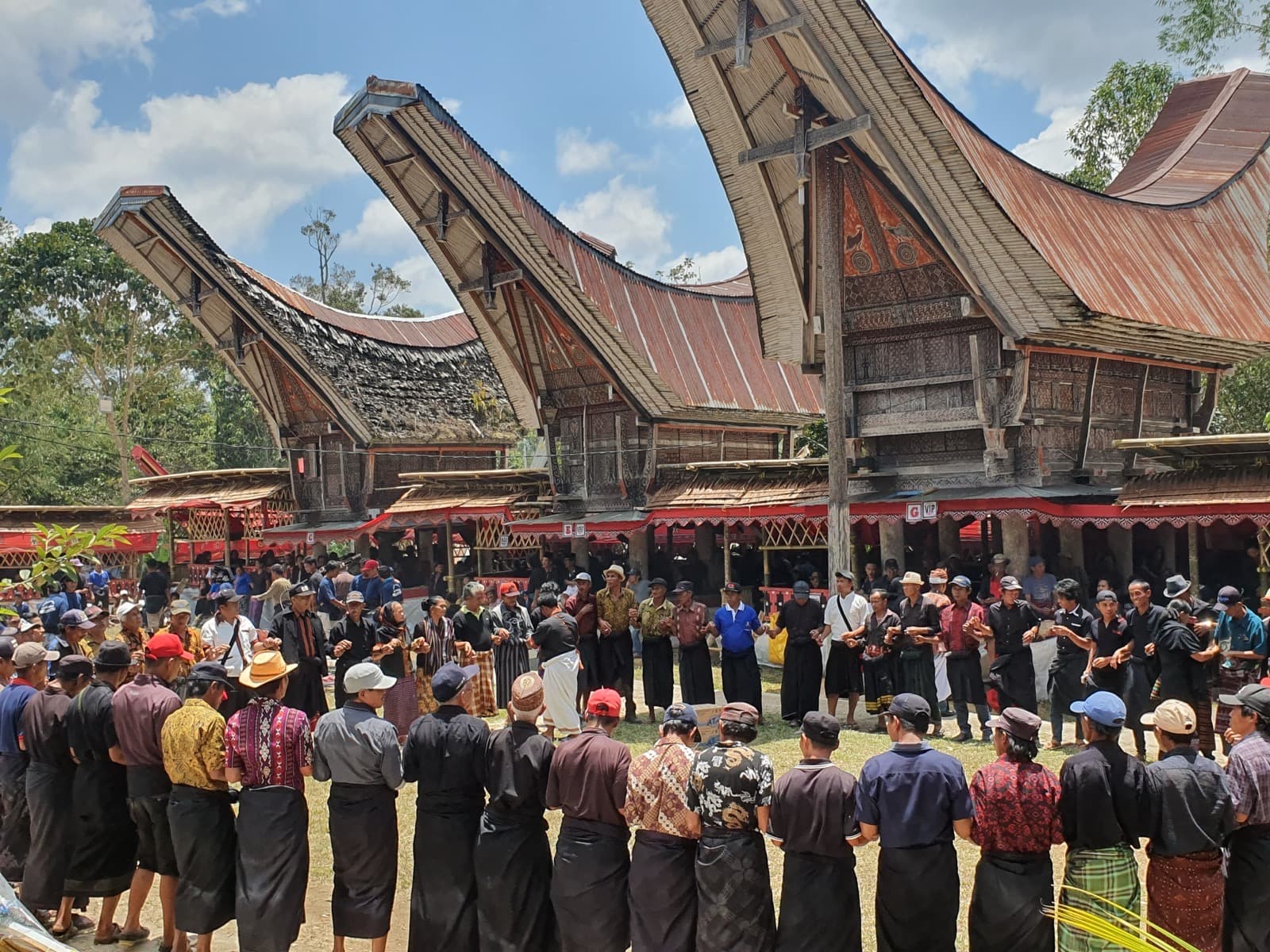
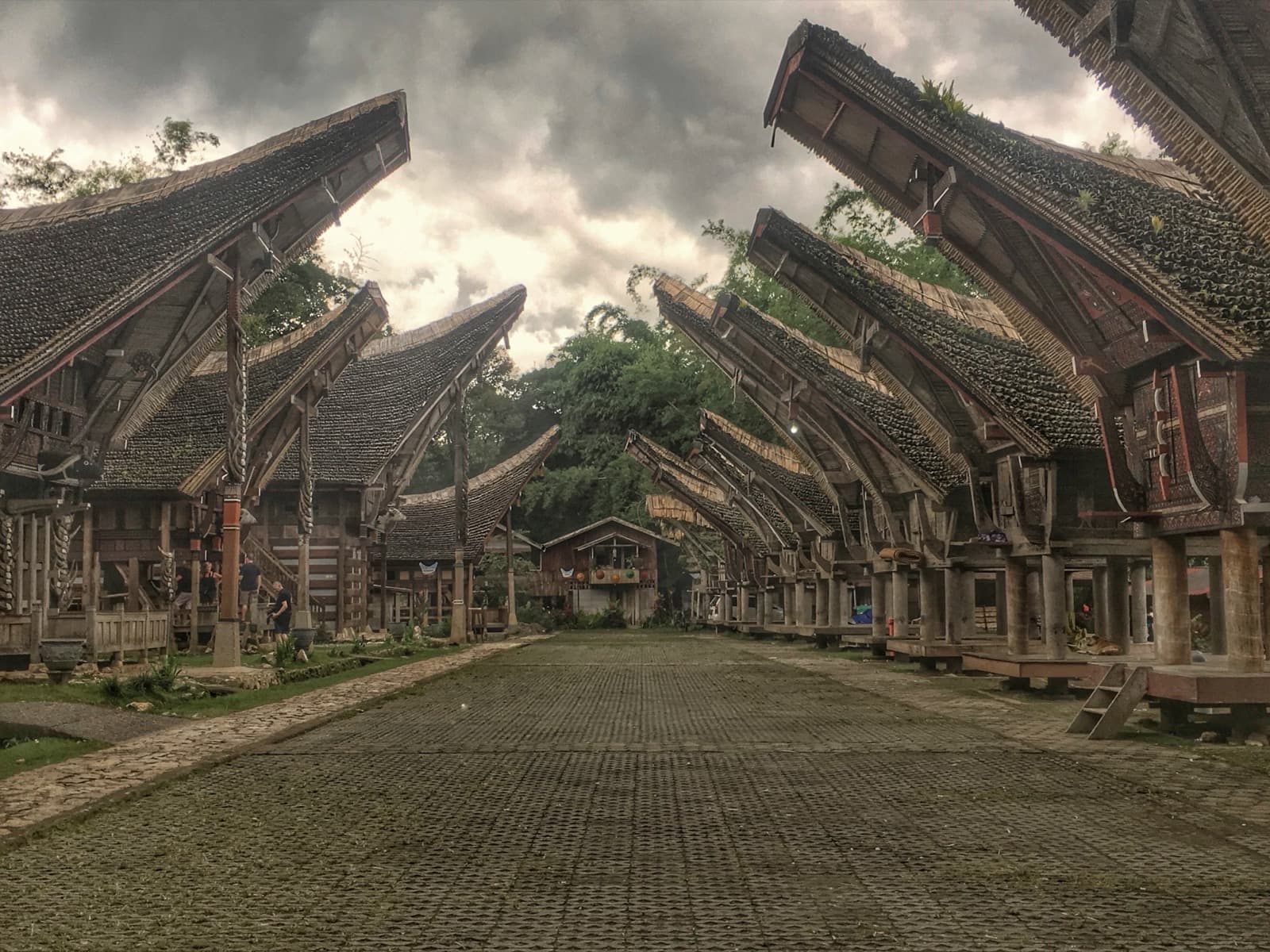
In Tana Toraja, a funeral (rambu solo) isn't a brief ceremony — it's a multi-day, sometimes multi-year process involving buffalo sacrifice, elaborate ritual, and hundreds of guests, reflecting a belief system where death is a gradual transition rather than a single event. Visitors are often genuinely welcomed to observe, which is rare for a ceremony this significant.
Quick facts
How it works
The deceased is often kept at home, treated as 'sick' rather than dead, for weeks, months or even years while the family saves and prepares for a funeral befitting their status — the ceremony itself, when it happens, can run several days and involves buffalo and pig sacrifice central to Torajan belief about the journey to the afterlife.
Attending as a visitor
Tourists are frequently invited to attend, typically through a local guide who has a connection to the family — bringing a small gift (cigarettes or sugar are traditional) and dressing respectfully (dark colors, modest) is expected, and the ceremony is a genuine cultural experience, not a staged tourist event.
What you'll see
Buffalo sacrifice is a real and central part of the ceremony and can be intense to witness — it's worth knowing this in advance so you can decide whether to be present for that specific part or arrive for the surrounding ritual and gathering instead.
Practical tips
- —Go through a local guide who has genuine family connections — arriving uninvited or via an opportunistic tout is inappropriate.
- —Bring a small traditional gift (cigarettes, sugar) as is customary, and dress in dark, modest clothing.
- —Ask your guide in advance about the buffalo sacrifice timing if you'd prefer to witness the ceremony without that specific moment.
- —This is someone's genuine grief and ritual, not a performance — behave with the same respect you'd bring to a funeral anywhere.