Dayak Culture
Kalimantan's indigenous peoples, with longhouse traditions that predate any national border on Borneo
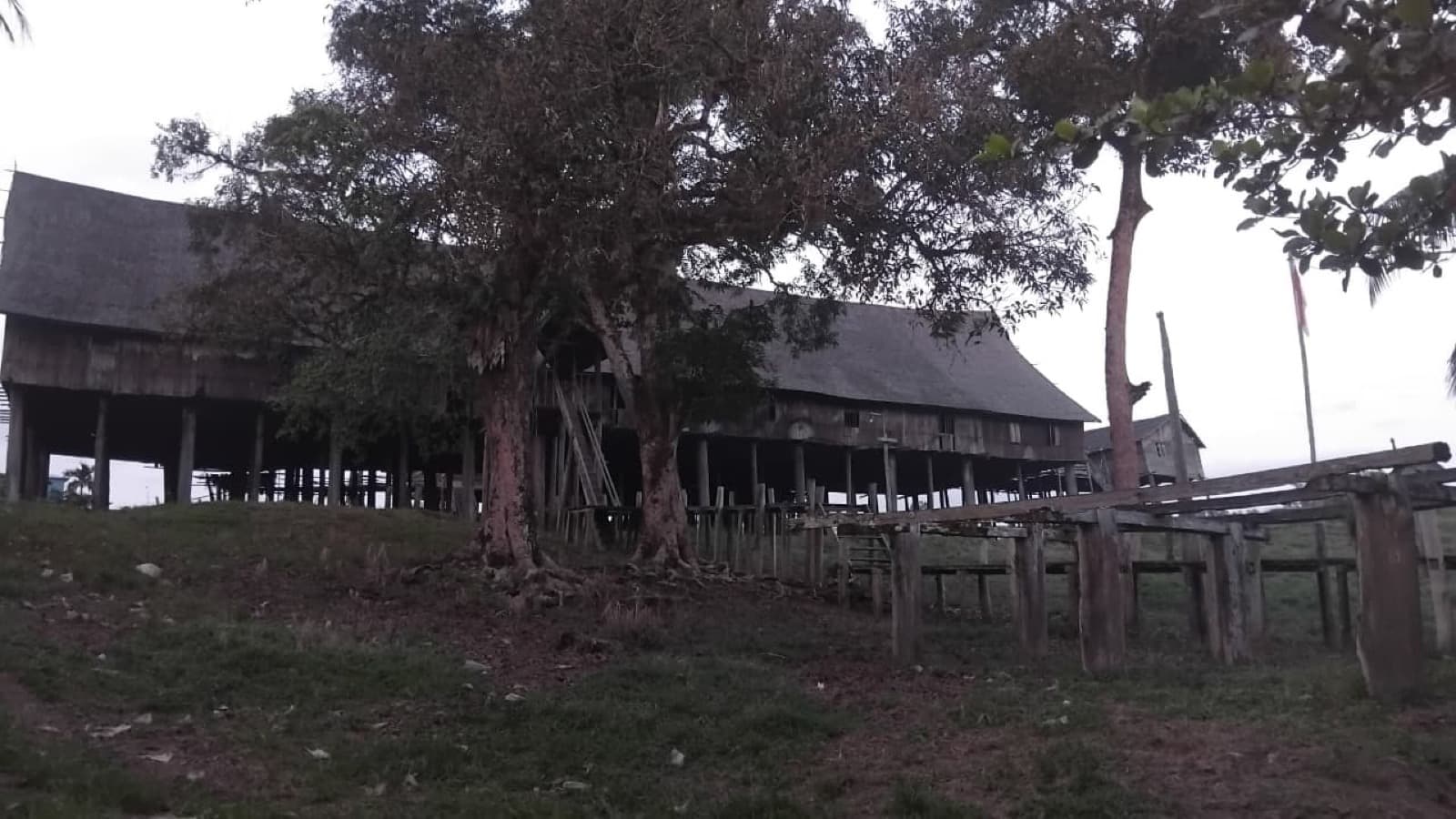
The Dayak are the collective indigenous peoples of Borneo, comprising many distinct ethnic groups across Kalimantan with their own languages and customs, historically centered around communal longhouses (rumah betang) that housed entire extended communities under one roof.
Quick facts
The longhouse tradition
A traditional rumah betang could house dozens of families in a single elongated structure, raised on stilts, with each family's private section opening onto a shared communal veranda — a physical embodiment of Dayak communal social structure, though most Dayak communities today live in more conventional individual housing.
Where to see it today
A handful of traditional longhouses remain, particularly in more interior parts of Central Kalimantan, some still inhabited and others maintained as cultural sites — reaching them typically requires more remote travel than a standard Tanjung Puting itinerary, worth planning as a deliberate extension rather than an easy add-on.
Beyond architecture
Dayak cultural identity extends well beyond the longhouse — distinctive woodcarving, beadwork, traditional tattoo practices historically tied to status and achievement, and animist beliefs that in many communities blend with Christianity or Islam introduced more recently.
Practical tips
- —Visiting a genuine longhouse community typically requires travel beyond the standard Tanjung Puting river route — research and plan this as a separate leg if it's a priority.
- —A local guide with genuine community connections makes for a far more respectful and informative visit than showing up independently.
- —Dayak culture is diverse across many distinct groups — avoid treating it as a single monolithic tradition when asking questions or reading up beforehand.
- —As with any visit to a living cultural site, ask before photographing people and bring a small gift if visiting a specific family or community.