Proboscis Monkeys
A large-nosed, pot-bellied primate found nowhere outside Borneo — a river-trip regular along the Sekonyer
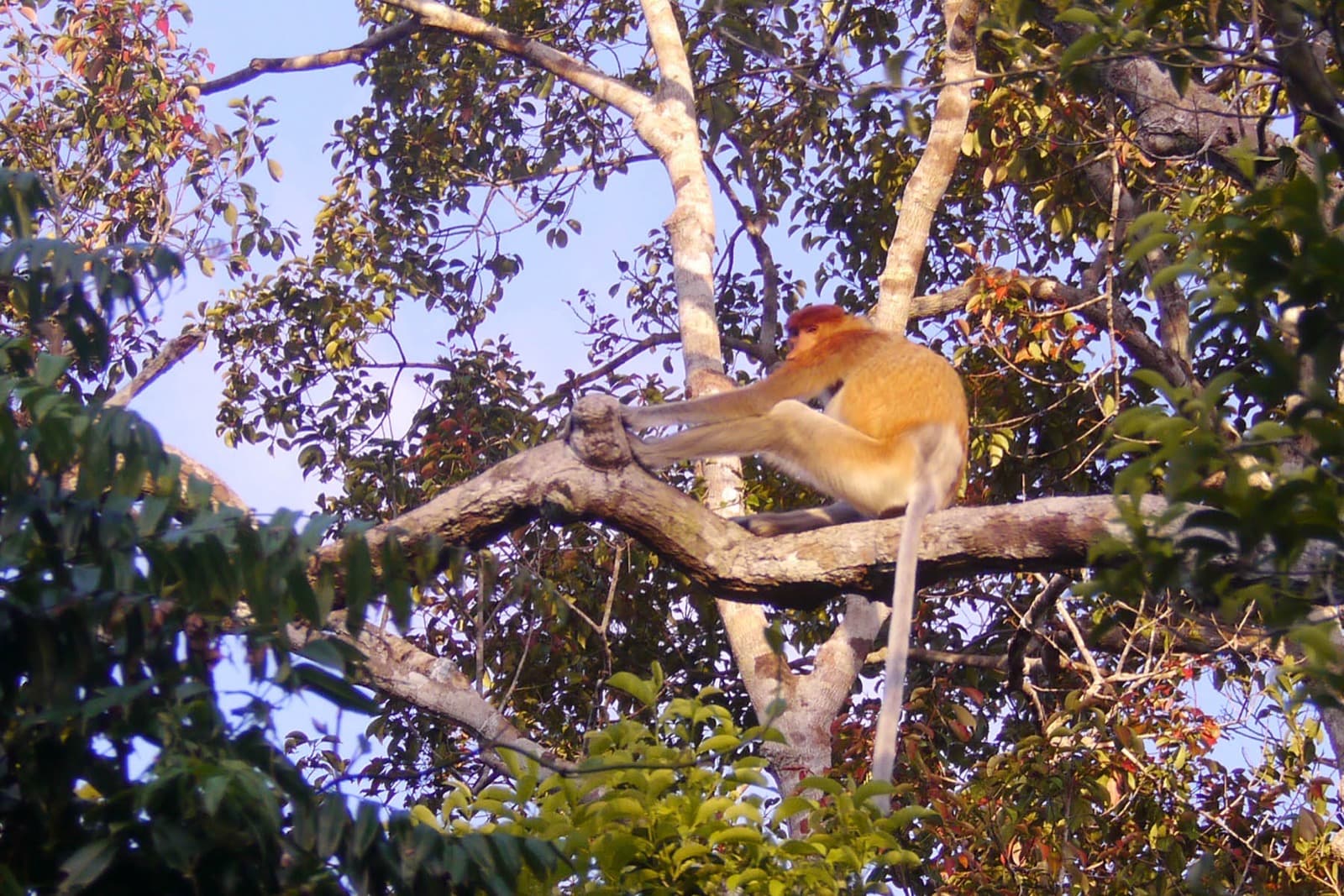
The proboscis monkey — instantly recognizable by the male's oversized pendulous nose and both sexes' distinctive pot-bellied silhouette — is endemic to Borneo and found nowhere else on Earth, and sightings along the Sekonyer River's banks are a genuine daily highlight of a Tanjung Puting klotok trip.
Quick facts
Where they're seen
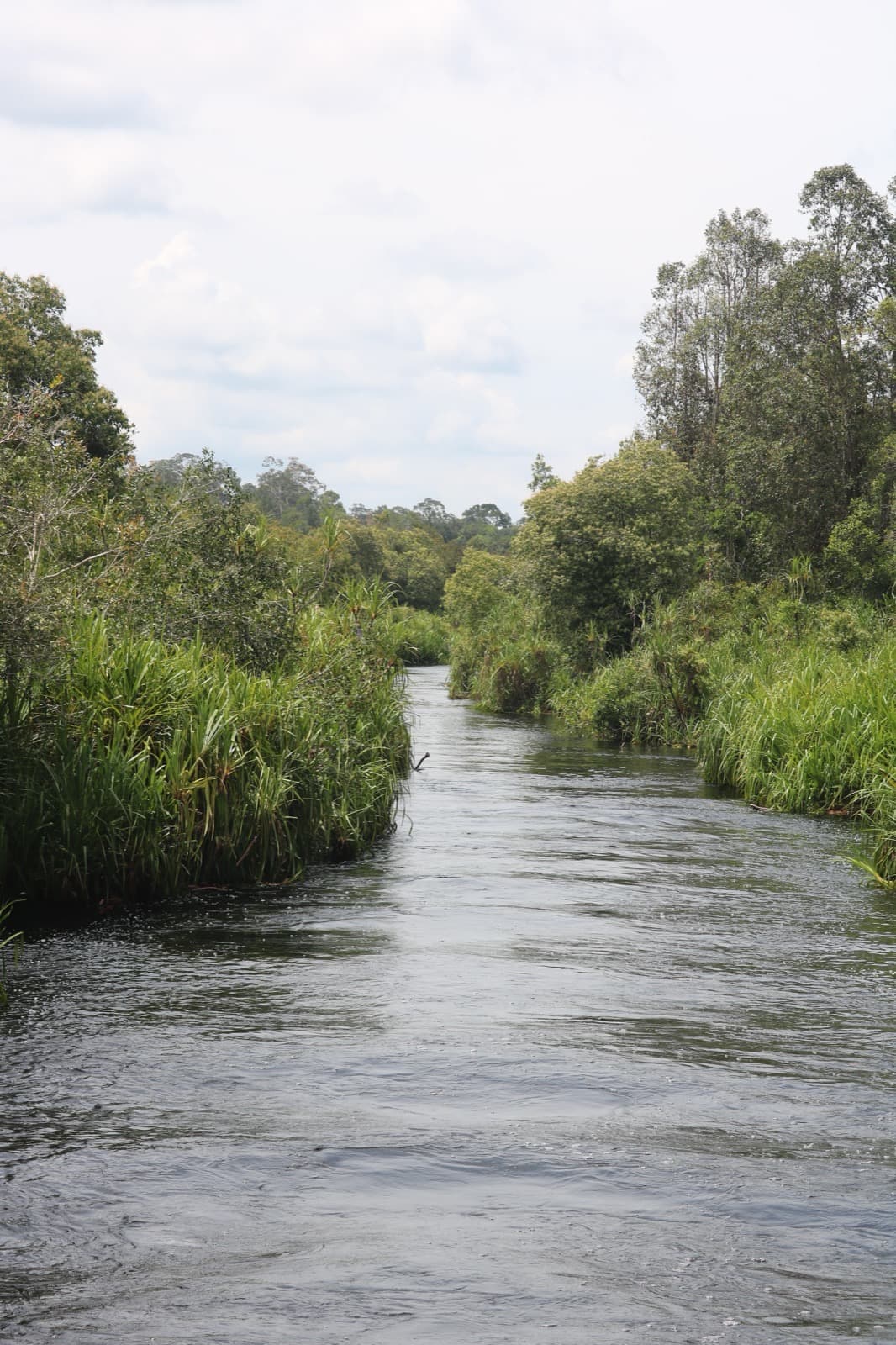
Proboscis monkeys live in troops along the riverbanks and mangrove edges, most active and visible in early morning and late afternoon — klotok trips time their river cruising to maximize chances during these windows, when the animals move to feed near the water.
That distinctive nose
The male's large nose is thought to amplify vocalizations and signal fitness to females — one of the more unusual pieces of primate anatomy anywhere, and genuinely striking to see in person rather than in a photograph.
Conservation status
Proboscis monkeys are endangered, with habitat loss from deforestation and palm oil development the primary threat — Tanjung Puting's protected riverine forest is one of their more secure remaining strongholds, which adds real weight to seeing them here specifically.
Practical tips
- —Early morning and late afternoon river cruising gives the best sighting odds — ask your guide to time stretches of the trip around these windows.
- —They're often spotted from the boat itself without needing to disembark — keep a camera ready during river transit, not just at scheduled stops.
- —Silent, still observation from the boat gets better sightings than noise or sudden movement.
- —This species is genuinely endangered — seeing them here is a real reason the park's conservation funding (including tourism revenue) matters.