Orangutans of Tanjung Puting
Wild and rehabilitated orangutans gathering at feeding platforms — one of the best places on Earth to see them
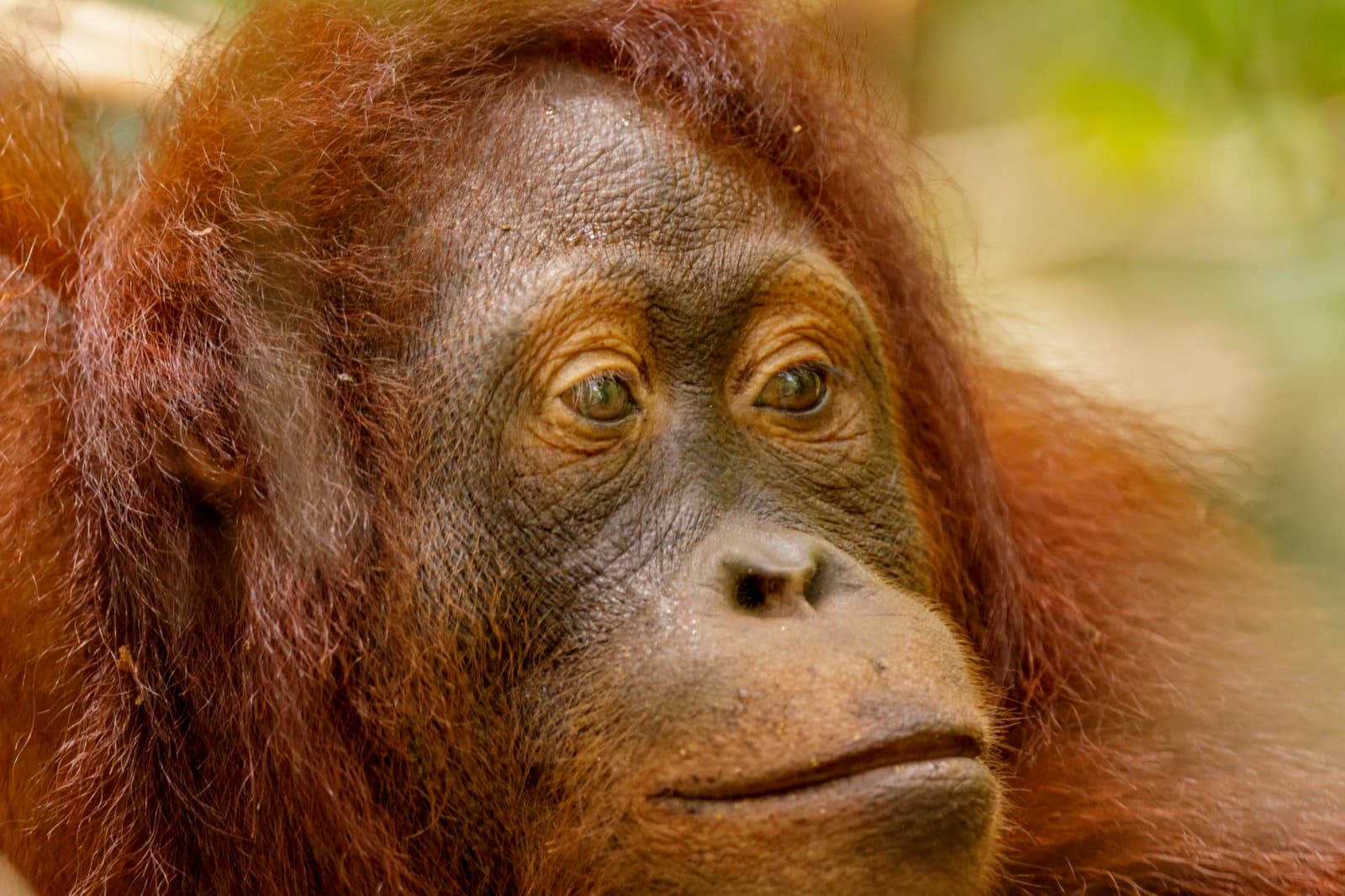
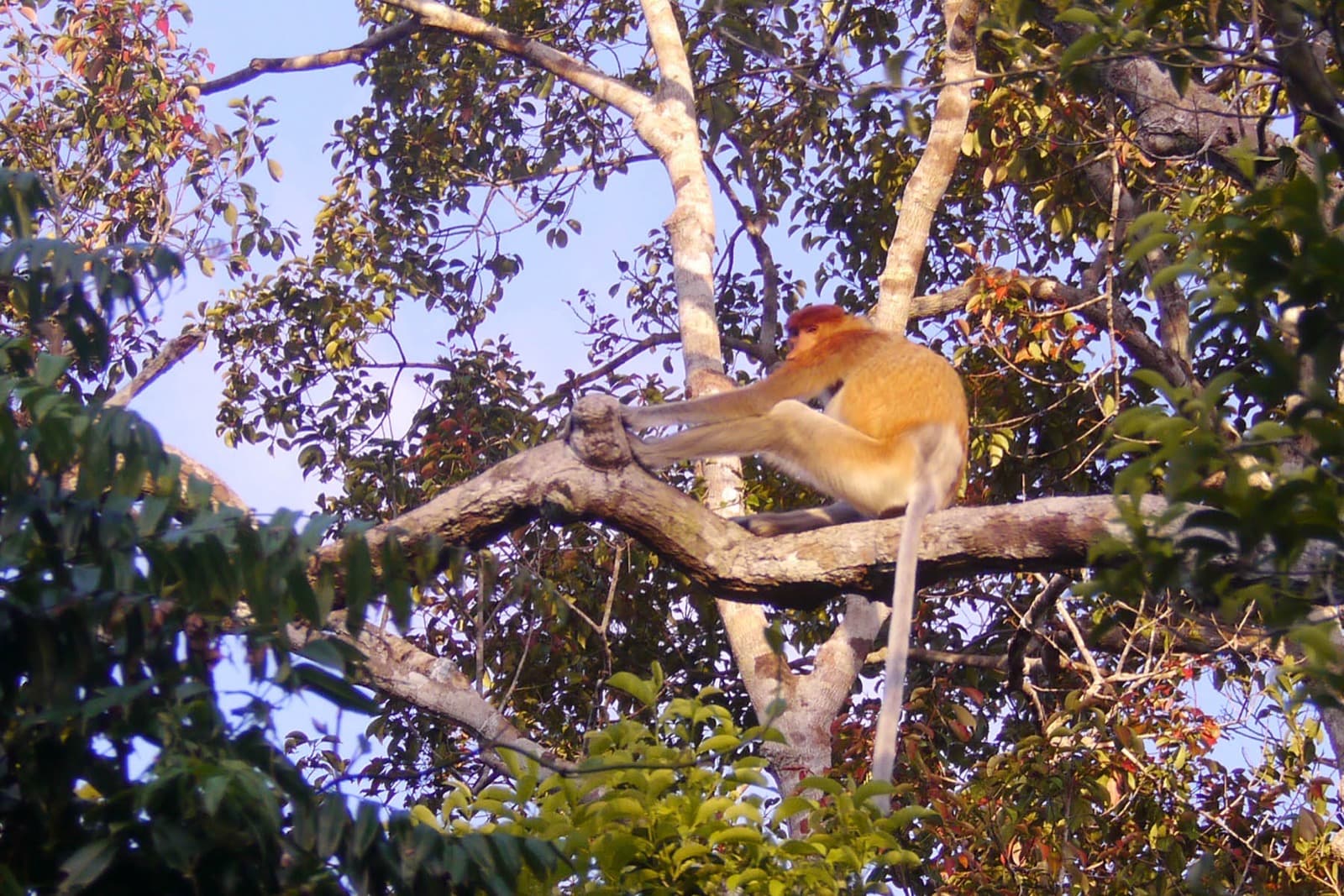
Tanjung Puting is home to both wild Bornean orangutans and individuals rehabilitated through the park's long-running conservation programs, with several feeding platforms where rangers distribute food on a set schedule — drawing orangutans into view in a way that's reliable without being staged wildlife tourism.
Quick facts
The feeding stations
Camp Leakey, the park's best-known research and feeding station (established by primatologist Birutė Galdikas in 1971), along with other stations along the river, hold scheduled feedings that draw orangutans from the surrounding forest — sightings here are considerably more reliable than in fully wild, unsupplemented habitat.
Wild vs rehabilitated
The park's orangutan population includes genuinely wild individuals as well as ones that came through rehabilitation after being orphaned or displaced by habitat loss — both groups now live freely in the forest, with the feeding stations serving as a supplementary food source rather than captivity.
Responsible viewing
Keep a respectful distance, never attempt to touch or feed an orangutan directly, and follow ranger guidance at all times — these remain wild animals, and maintaining that boundary matters for their health and the park's long-term conservation goals.
Practical tips
- —Camp Leakey is the most established feeding station and a near-essential stop on a Tanjung Puting klotok itinerary.
- —Feeding times are scheduled — your guide will time the boat's arrival, so trust their itinerary rather than trying to arrange visits independently.
- —Bring a zoom lens if photography matters — respectful distance means you won't be right next to the animals.
- —This is one of the most reliable wild orangutan viewing experiences anywhere, precisely because of the decades-long conservation program behind it.