Money & Costs in Thailand
Baht, ATMs, tipping norms and what things actually cost — with the honest caveat that prices drift
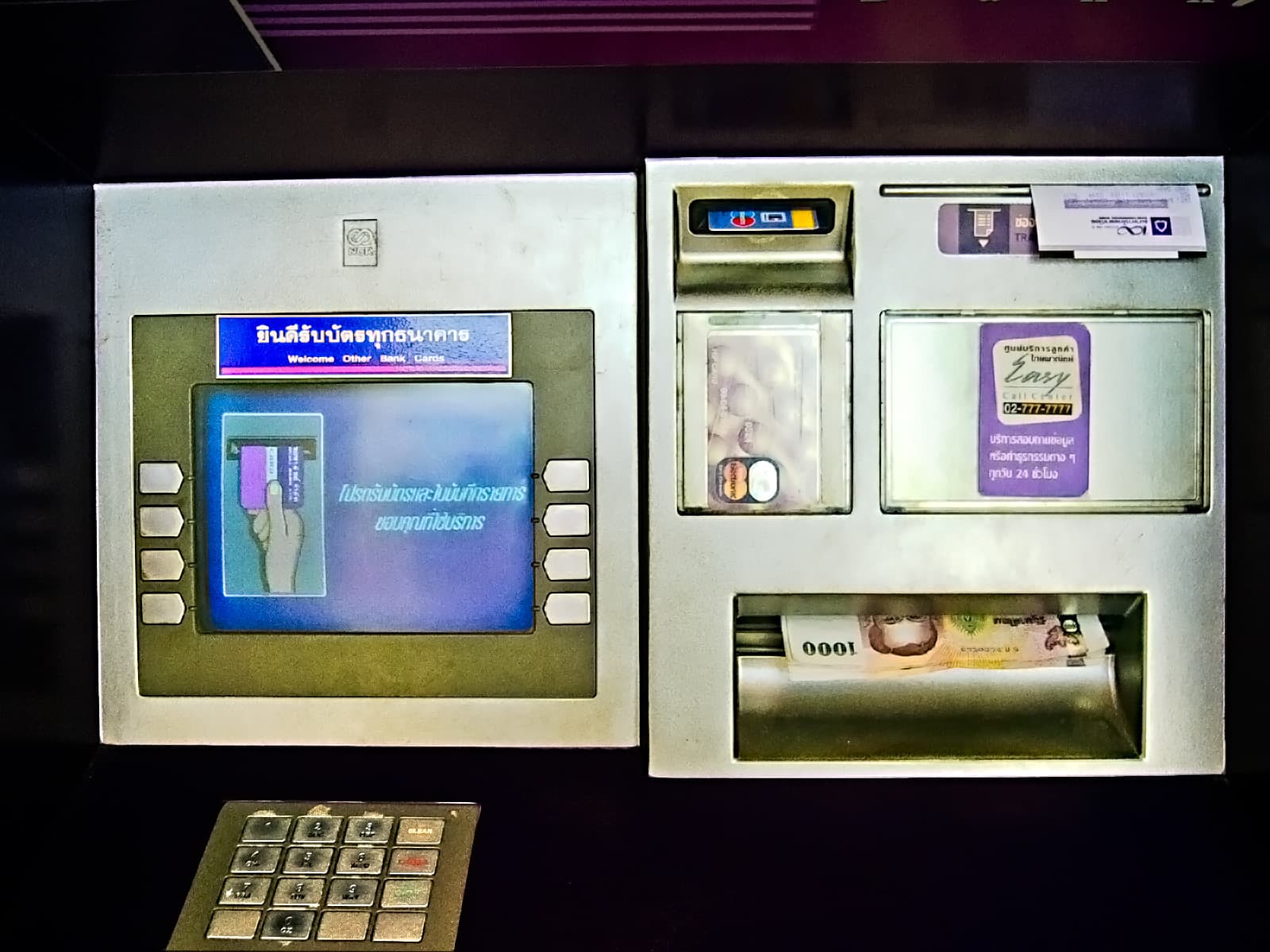
Thailand runs on the Thai baht (THB), and cards are widely accepted in cities and tourist areas but far less reliably in smaller towns and local markets — carrying enough cash for a few days is still the practical default outside Bangkok's malls and chains.
Quick facts
ATMs and cards
Foreign ATM withdrawals in Thailand carry a fixed foreign-transaction fee charged by the Thai bank (on top of whatever your home bank charges) — a fee-free or fee-refunding travel card makes a real difference over a multi-week trip. Cards work fine at malls, hotels and chain restaurants; street food, local markets and small guesthouses are cash-only more often than not.
Rough cost baseline
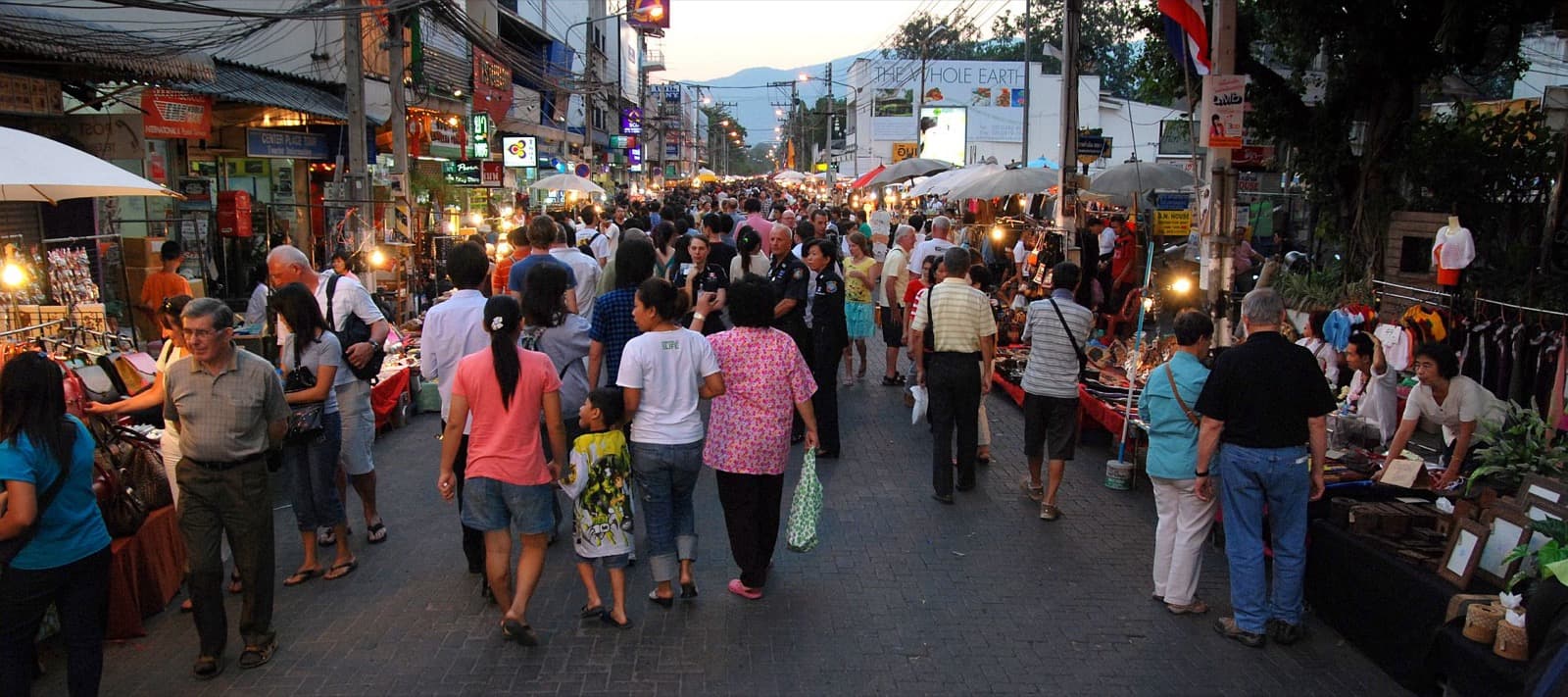
Street food meals are inexpensive by Western standards — a single dish typically runs well under what a coffee costs in many Western cities. Mid-range restaurant meals, private transport and hotel stays add up faster, especially in Bangkok and Phuket versus smaller towns. Treat any specific number as a rough baseline that shifts with inflation and location, not a fixed rate — check current prices closer to your trip.
Tipping
Tipping isn't as deeply embedded as in the US, but it's become more expected in tourist-facing restaurants and for hotel staff/tour guides — rounding up or leaving a modest amount is normal and appreciated, not a strict percentage-based obligation.
Practical tips
- —Bring a fee-free international debit/travel card — standard foreign-ATM fees add up fast over a multi-week trip.
- —Carry cash for street food, local markets, songthaews and small guesthouses — card acceptance there is inconsistent.
- —Treat any specific baht figure you read (including here) as a rough, date-stamped estimate — check current prices before relying on them for budgeting.
- —Small bills are genuinely useful — street vendors and taxis often can't break a large note.