Nile Cruises: Luxor to Aswan
The same river route travelers have taken for thousands of years, now available from a multi-day cruise ship to a simple felucca sail
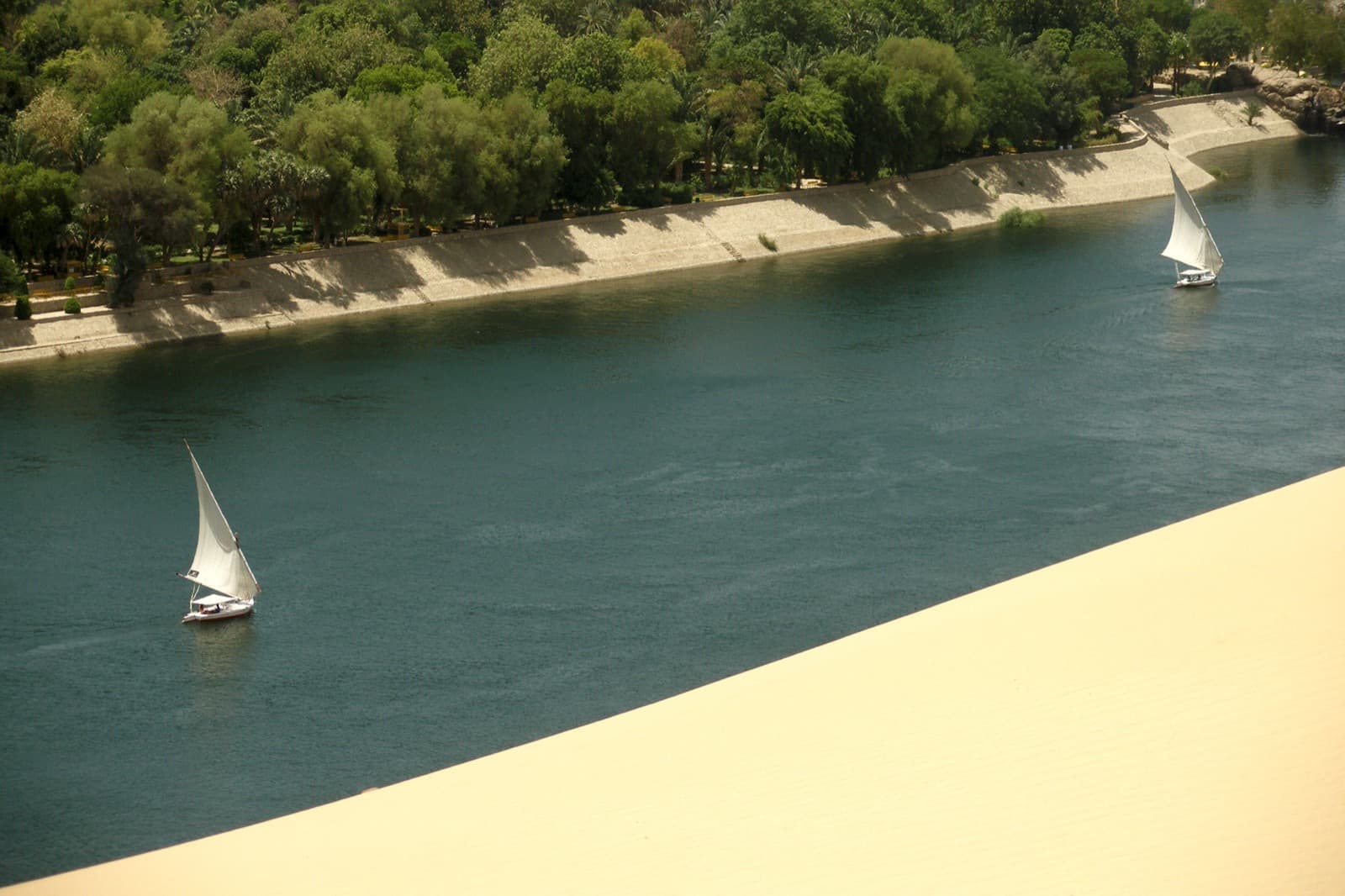
The stretch of the Nile between Luxor and Aswan holds the highest concentration of ancient Egyptian monuments anywhere — a cruise (typically 3–5 days) is the classic way to see it, moving between temple and tomb sites while the river itself does the traveling.
Quick facts
Luxor: temples and tombs
Karnak Temple's hypostyle hall (134 massive columns) and the Valley of the Kings' royal tombs, including Tutankhamun's, anchor Luxor as arguably Egypt's single richest concentration of ancient sites. The Valley of the Kings gets hot and crowded by mid-morning — an early start matters here more than almost anywhere else in the country.
The cruise itself
Multi-day Nile cruises (Luxor to Aswan or the reverse) typically stop at Edfu's Temple of Horus and Kom Ombo's dual temple along the way — the boat becomes your hotel, and days are structured around shore excursions to specific sites. Cabins with river-facing views are worth the small premium.
Aswan and the felucca alternative
Aswan itself is calmer and more low-key than Luxor — a good place to slow down, and the launch point for the Abu Simbel day trip. For a shorter, cheaper alternative to a full cruise, a felucca (traditional sailboat) trip of a day or overnight gives a genuine taste of Nile travel without the multi-day commitment.
Practical tips
- —Start Valley of the Kings visits as early as the site allows — both heat and crowds build fast, and shade is minimal.
- —Book a cruise cabin with a river view — the premium is usually modest, and the view is a real part of the experience.
- —A felucca trip is the budget-conscious alternative to a full cruise — ask locally in Aswan for current options rather than pre-booking from abroad.
- —Bring cash in small denominations — tipping (baksheesh) is expected in many contexts around monument visits and is easiest handled with small bills.