The French Riviera
Nice, Cannes and Monaco — a stretch of Mediterranean coast that punches well above its actual size
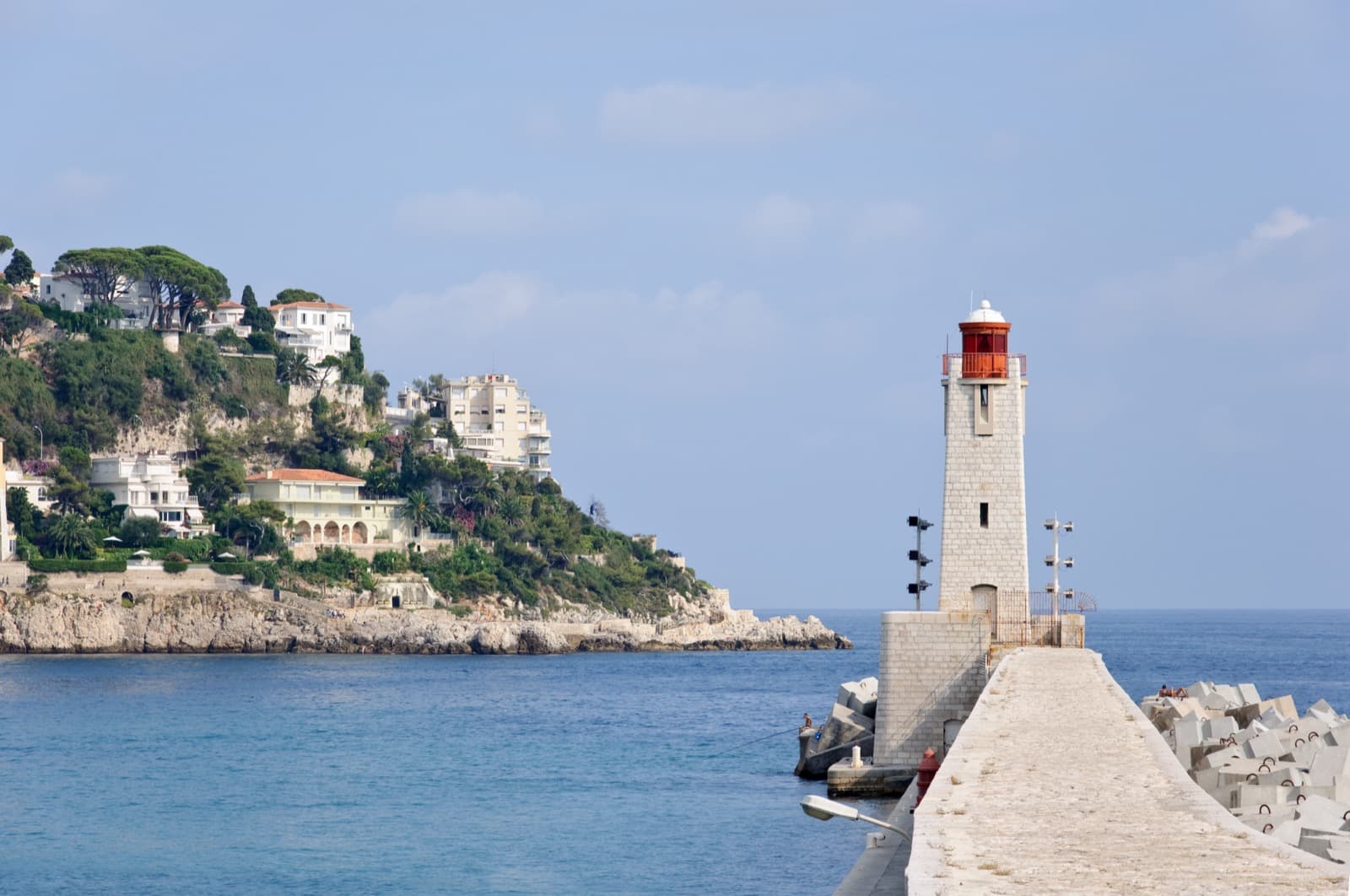
The Côte d'Azur is small enough to cover several towns in a single trip, and different enough town to town that Nice, Cannes and Monaco each feel like their own distinct visit rather than variations on the same beach town.
Quick facts
Nice
The Promenade des Anglais — a long seafront walk backed by grand 19th-century architecture — is the city's signature, but the Old Town (Vieux Nice) behind it has genuine Italian-influenced character, narrow streets, and a daily flower and produce market at Cours Saleya worth timing a visit around.
Cannes
Best known for its film festival, but worth visiting outside festival dates too — La Croisette's waterfront promenade, the Old Town (Le Suquet) on the hill above it, and a genuinely pleasant, less frantic pace than Nice most of the year.
Monaco
A separate microstate, not part of France, but functionally part of any Riviera trip — the Monte Carlo Casino's exterior alone is worth the visit even without gambling, and the Prince's Palace and the old town (Monaco-Ville) round out a half-day visit. Easily reached by train from Nice in about 25 minutes.
Practical tips
- —The train connects Nice, Cannes and Monaco quickly and cheaply — a rental car isn't necessary for this specific stretch of coast, unlike much of the rest of France.
- —Base in Nice and day-trip to Cannes and Monaco rather than moving hotels — the distances are short enough that this works well.
- —Cours Saleya's morning market in Nice is worth an early visit — it winds down by early afternoon.
- —Summer (July–August) is genuinely peak-crowded and expensive along this coast — late spring or early autumn gives a calmer, still-warm alternative.