Ikat Weaving Villages
Sumba's textiles are recognized among the finest in Indonesia — hand-dyed, hand-woven, and genuinely made in front of you
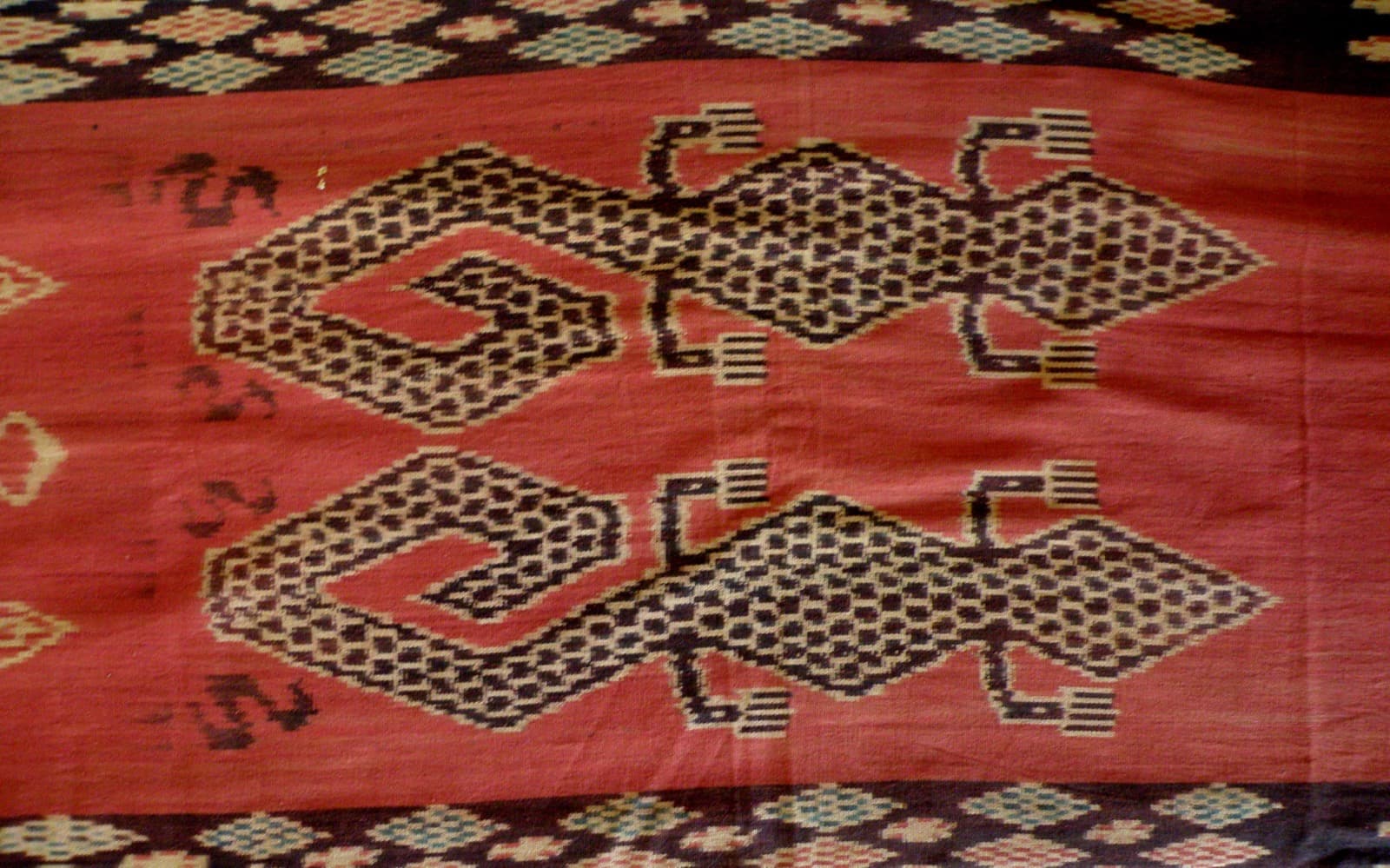
Sumbanese ikat — cloth where the yarn is tie-dyed before weaving to create intricate patterns, rather than dyeing the finished fabric — is considered among Indonesia's finest traditional textile work, with motifs (horses, skulls, ancestral figures) carrying real symbolic meaning tied to status and clan identity.
Quick facts
How it's made
The full process, from hand-spinning cotton through natural dyeing (often using local plants and roots for color) to weaving on a traditional backstrap loom, can take months for a single high-quality piece — this isn't fast craft production, and prices for genuine pieces reflect the real labor involved.
Where to see it made
Villages in East Sumba (Sumba Timur), particularly around Waingapu, are known for high-quality ikat production, with some workshops welcoming visitors to watch the dyeing and weaving process directly rather than just browsing a finished-goods shop.
Buying respectfully
Genuine hand-made ikat is a serious investment (real pieces can cost significantly more than tourist-market souvenirs) — buying directly from weavers rather than a middleman shop supports the actual maker, and asking about the specific motifs' meaning adds real context to what you're taking home.
Practical tips
- —Expect genuine, high-quality ikat to be expensive — the time investment in hand-dyeing and weaving is real, and low prices usually mean lower quality or machine-assisted production.
- —Visiting a workshop in East Sumba to watch the process adds far more understanding than just buying a finished piece in a shop.
- —Ask about the motifs — horses, skulls, and ancestral figures each carry specific traditional meaning worth knowing.
- —Buying directly from weavers, where possible, puts more of your money toward the actual maker.