Sumba's Wild Horses
Open savanna, roaming herds, and a landscape that looks nothing like the rest of Indonesia
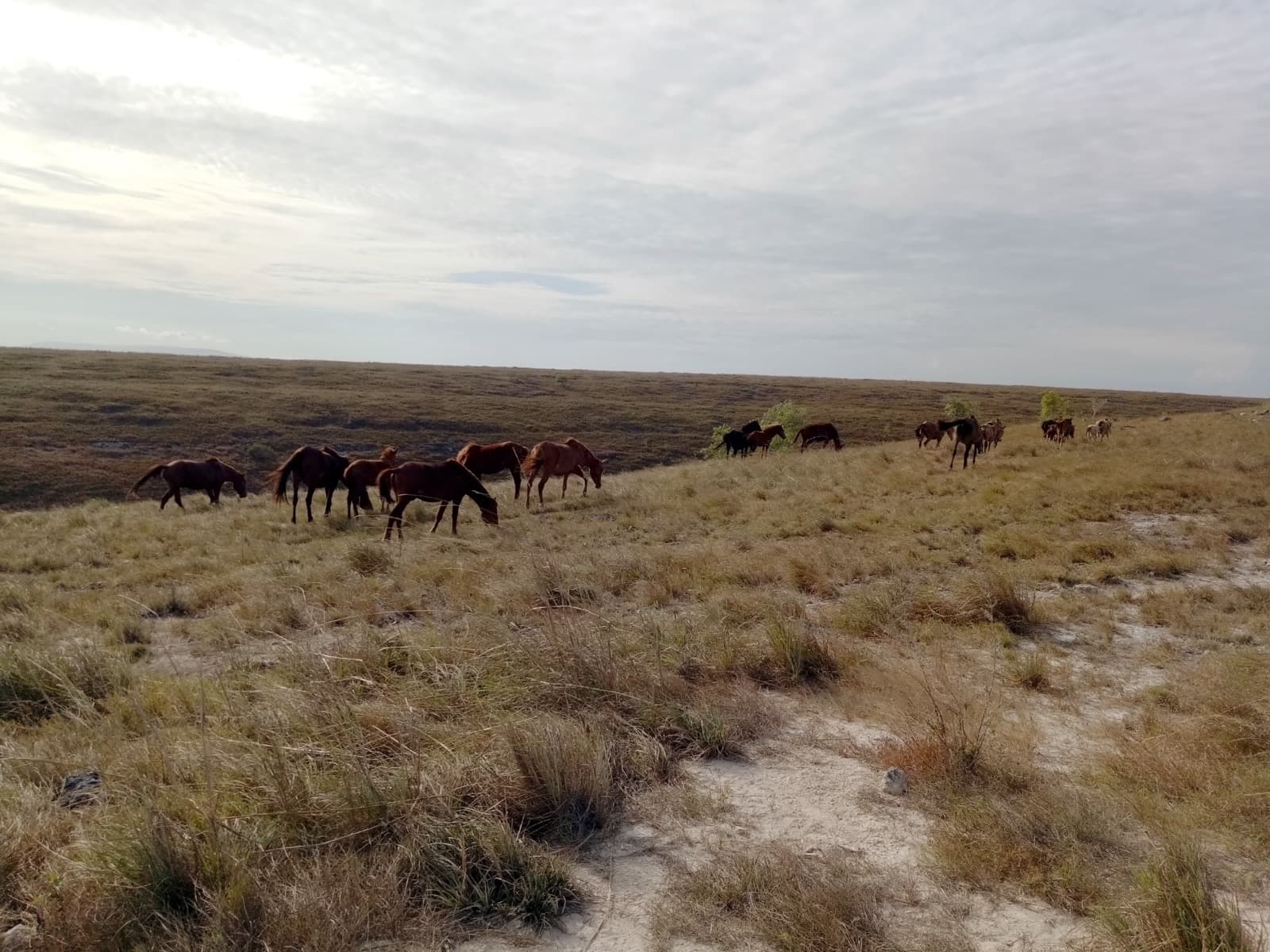
Sumba's dry, rolling grasslands are unlike anywhere else in Indonesia — closer in feel to parts of Africa or Mongolia than to the jungle-and-rice-terrace image most people associate with the country — and semi-wild horses roaming this open savanna are one of the island's most distinctive sights.
Quick facts
Where to see them
The savanna around Sumba Timur (East Sumba), particularly near Praijing and the areas around Waingapu, offers the best chances of spotting herds moving across open grassland — a hired local guide or driver familiar with current grazing areas improves your odds significantly over a random drive.
The horses' role in Sumba culture
Horses aren't just scenery — they hold real cultural and economic significance in Sumbanese society, historically tied to status, dowries, and the horseback pasola ritual battles still held in parts of the island, making them a genuine cultural thread rather than just a photogenic backdrop.
The landscape itself
Even without a horse sighting, the savanna landscape — golden grass, scattered trees, rolling hills under enormous sky — is worth the trip on its own, especially in the dry season when the light and open space make for some of Indonesia's most striking, least-photographed scenery.
Practical tips
- —Hire a local guide who knows current grazing patterns — herds move, and a guide dramatically improves your odds of a sighting.
- —Dry season (May–October) gives the clearest views across open savanna and the most reliable driving conditions.
- —Bring water and sun protection — the savanna offers little shade and Sumba's sun is intense.
- —Ask about pasola season if the horseback ritual battles interest you — dates are tied to a traditional lunar calendar, not fixed.