Dubai
The world's tallest building, an indoor ski slope, and a desert 20 minutes from either
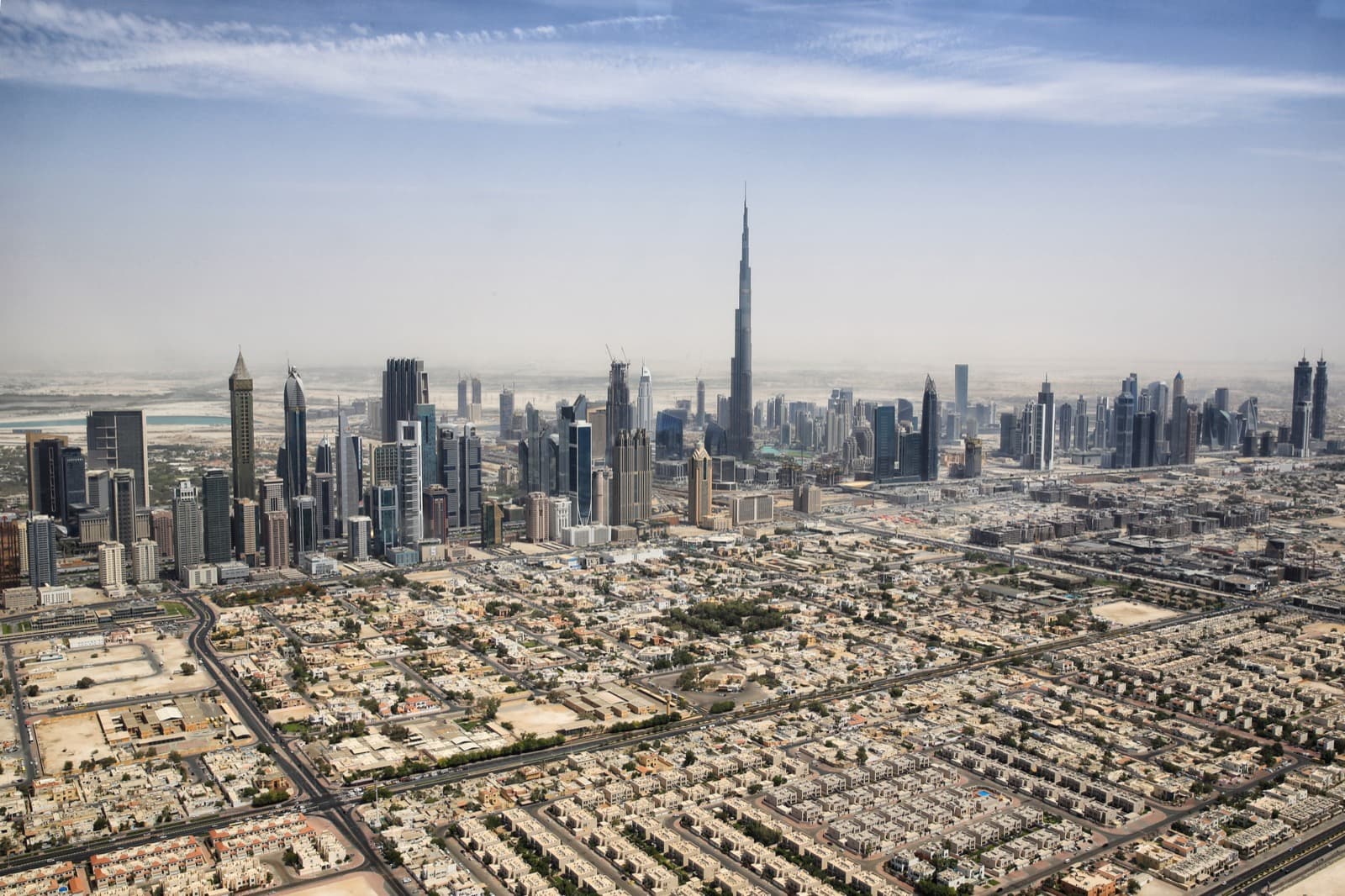
Dubai's reputation for excess is genuinely earned, but the city works just as well for a more grounded trip — the Burj Khalifa and Downtown are the obvious first stop, and the desert, the old creek-side souks, and a well-run metro system are all closer together than the skyline suggests.
Quick facts
Downtown Dubai
The Burj Khalifa's observation decks (book ahead, especially for sunset slots) anchor a district that also includes the Dubai Mall (genuinely one of the largest in the world) and the Dubai Fountain, which runs choreographed shows most evenings. This is the area most first-time visitors base themselves near.
Old Dubai
The Al Fahidi Historic District and the Dubai Creek's abra (water taxi) crossings give a real contrast to the ultra-modern skyline — the Gold Souk and Spice Souk in Deira are genuinely functioning markets, not just tourist recreations, though they've adapted to tourism too.
Desert and beyond
A desert safari (dune bashing by 4x4, camel rides, a Bedouin-style camp dinner) is a standard and genuinely worthwhile half-day trip from the city — most operators pick up directly from hotels. Palm Jumeirah and the Dubai Marina cover the beach-club and waterfront-dining side of the city.
Practical tips
- —Book Burj Khalifa tickets in advance, especially for sunset — walk-up prices and availability are both worse than pre-booking.
- —Dress is generally relaxed in tourist areas and malls, but modest dress is expected at mosques and in more traditional neighborhoods.
- —The Dubai Metro is clean, cheap and genuinely useful for getting between Downtown, the Marina and the airport — don't assume you need a taxi for everything.
- —Summer heat (June–August) is extreme enough to genuinely limit outdoor activity — plan an indoor-heavy itinerary if traveling then, or come November–March instead.