The American West's National Parks
Grand Canyon, Zion, Yosemite and more — genuinely world-class landscapes, genuinely requiring a car
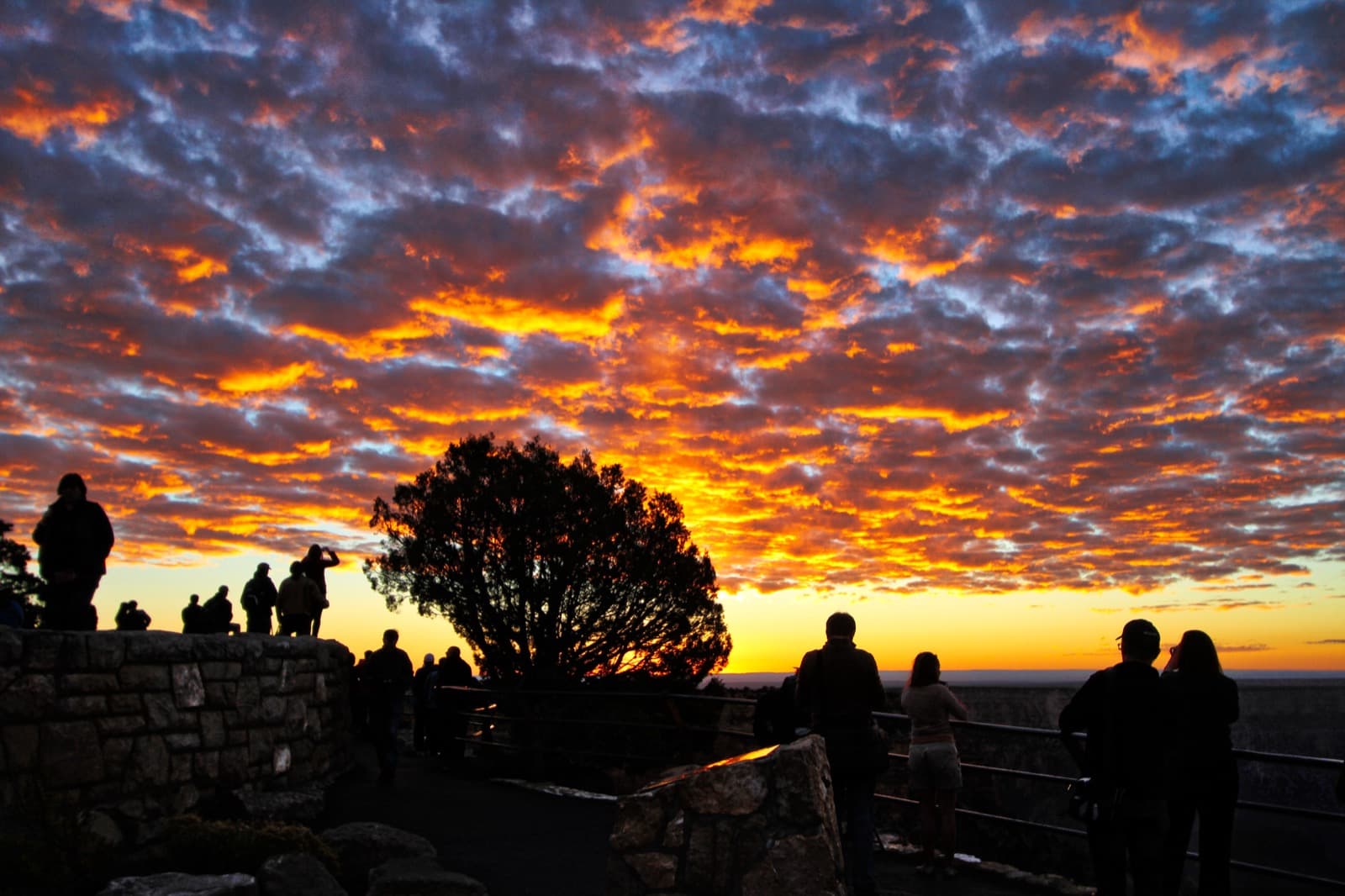
The Western national parks are the strongest counter-argument to any idea that the US is all cities and suburbs — vast, well-managed, and connected by scenic drives that are half the point of the trip, not just transit between stops.
Quick facts
Grand Canyon
The South Rim is the accessible, developed side — viewpoints, a rim trail, and infrastructure that makes a day trip genuinely workable. The North Rim is quieter and more remote, closed in winter, and rewards the extra effort for anyone with time. Either rim, the scale is the thing photos don't quite prepare you for.
Zion and Yosemite
Zion's canyon-floor hikes (Angels Landing, the Narrows) put you inside the landscape rather than just viewing it from a rim — permits are required for some of the most popular routes, worth checking before you go. Yosemite's granite cliffs and waterfalls hit differently depending on season — spring for peak waterfall flow, fall for thinner crowds.
Planning around a car
None of this works without a rental car — distances between parks are real (hours, not minutes), and public transport options are limited outside of shuttle systems within some parks themselves. A Western national parks trip is a road trip by default, not an add-on.
Practical tips
- —Book accommodation inside or near popular parks well ahead — lodges and nearby towns fill up fast in peak season (June–August).
- —An "America the Beautiful" annual pass covers entry to all national parks and is worth it if visiting more than two or three on one trip.
- —Permits for specific trails (Angels Landing in Zion, for example) are increasingly required — check current rules before building an itinerary around a specific hike.
- —Distances are genuinely large — budget real driving time between parks rather than assuming a tight multi-park loop in a short trip.