The Golden Ring
A loop of medieval towns northeast of Moscow — onion-domed monasteries, wooden architecture, and river views without St. Petersburg's crowds
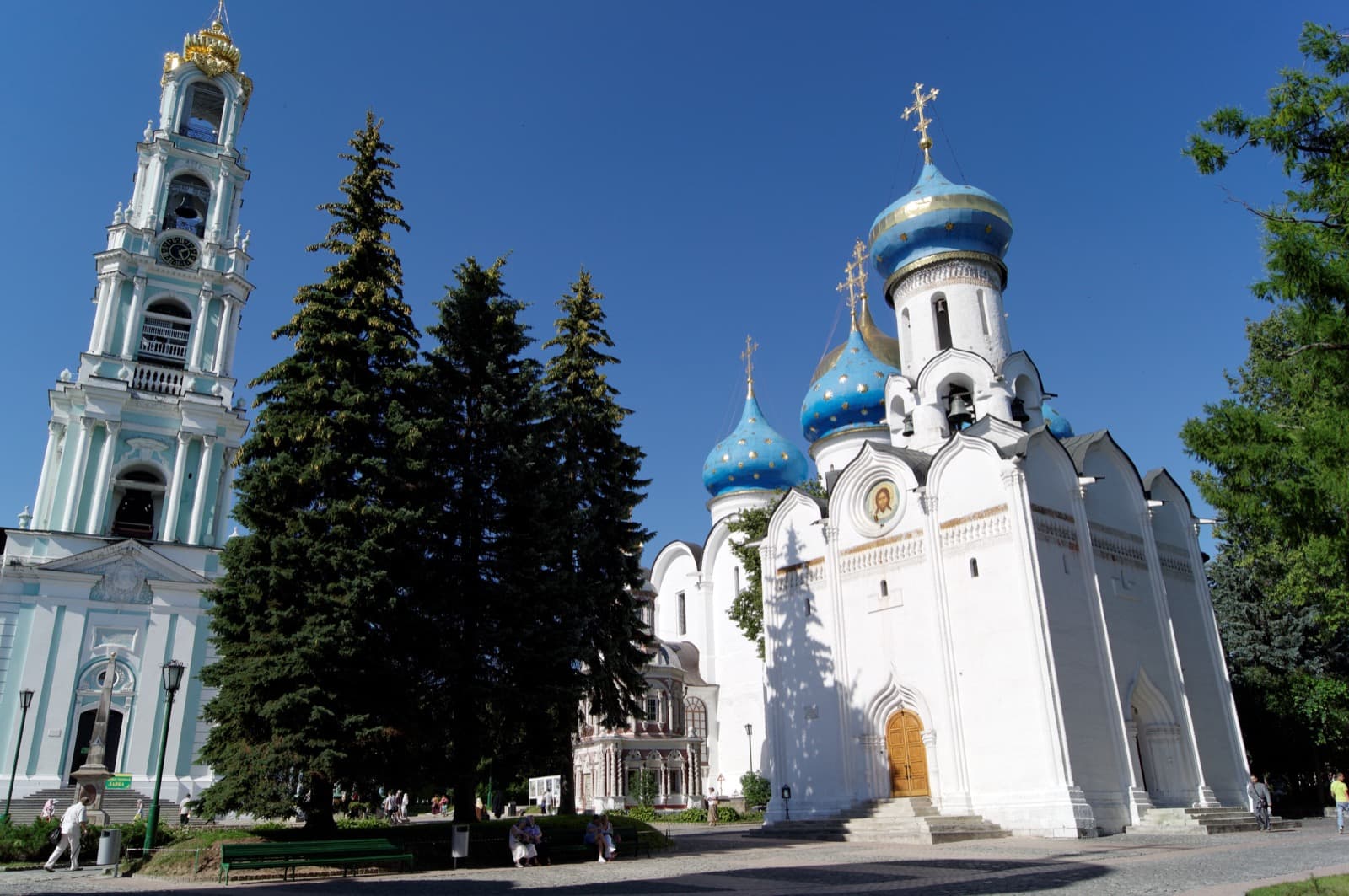
The Golden Ring is a cluster of historic towns northeast of Moscow — Sergiyev Posad, Suzdal, Vladimir, Yaroslavl and others — that between them hold some of the country's oldest churches and monasteries, several dating to the 12th century. It's usually done as a multi-day loop out of Moscow rather than a single stop, and it's a genuinely different pace from the two capitals: smaller towns, fewer crowds, and a much more direct look at pre-Soviet Russian architecture.
Quick facts
Which towns to actually pick
Sergiyev Posad (about 90 minutes from Moscow) is the easiest single day trip and home to the Trinity Lavra of St. Sergius, one of Russian Orthodoxy's most important monasteries. Suzdal, with no railway and a strict low-rise building code, is the town that looks most like it hasn't changed in centuries. Vladimir and Yaroslavl are larger and easier to reach by train, each with UNESCO-listed white-stone cathedrals.
2026 update: the route is expanding
As of a January 2026 announcement, the classic nine-town Golden Ring is being broadened into a much larger route of 49 towns and villages as part of a national tourism push, adding places like Gorokhovets, Myshkin, Rybinsk and Gzhel to the map. The original core towns remain the easiest entry point for a first visit — the expanded list is more for travelers planning a second or third trip to the region.
Getting between towns
A rented car gives the most flexibility since not every Golden Ring town has a direct train from Moscow, but Vladimir, Yaroslavl and Sergiyev Posad are all reachable by train or organized day tour without one.
Practical tips
- —Budget at least 3–4 days for a proper loop — trying to do the whole Golden Ring as a single long day trip means seeing almost nothing properly.
- —Suzdal has no train station — get there by bus or car via Vladimir, about 35km away.
- —Church interiors often have modest dress requirements (covered shoulders, and headscarves for women in some) — worth carrying a scarf even in summer.
- —Winter visits mean genuinely cold weather but far fewer visitors and the classic snow-on-onion-domes look many people picture when they think of the region.