Rome
Nearly 3,000 years of continuous history stacked in one city — the Colosseum, the Vatican and a genuinely walkable ancient core
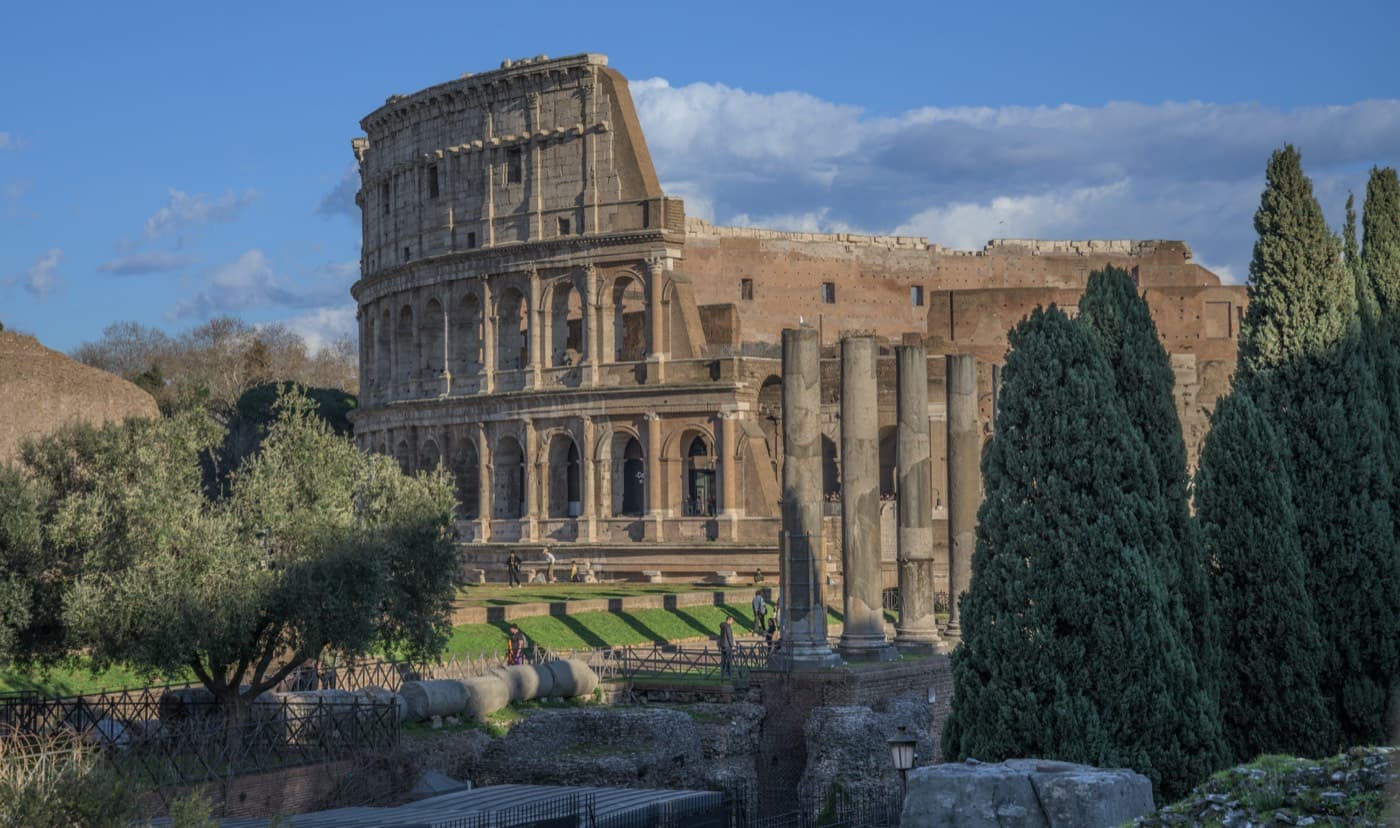
Rome is unusual even among Europe's great historic capitals for how much of its history is still physically standing and in daily use — ancient ruins sit blocks from Renaissance churches and everyday apartment buildings, and much of the historic core is compact enough to explore on foot rather than requiring constant transit hops.
Quick facts
Ancient Rome
The Colosseum, Roman Forum and Palatine Hill form one combined archaeological site (a single ticket covers all three), and together they're the clearest physical sense of the scale of the ancient city — the Colosseum alone held an estimated 50,000–80,000 spectators nearly 2,000 years ago. Booking timed-entry tickets in advance is genuinely necessary in peak season; walk-up lines can run hours.
Vatican City
St. Peter's Basilica and the Vatican Museums (culminating in the Sistine Chapel) sit inside their own sovereign city-state within Rome — the Basilica itself is free to enter, but expect real security-line waits, while the Museums require a paid, typically pre-booked ticket. The dome climb at St. Peter's, partly by stairs, rewards with one of Rome's best panoramic views.
Trastevere and the fountains
Trastevere, across the Tiber from the historic center, has a genuinely different character — narrow medieval streets, a lively evening restaurant and bar scene, and less of the tourist density of the areas around the Colosseum and Vatican. The Trevi Fountain and Pantheon, both free and central, are worth visiting early morning or evening to avoid the heaviest daytime crowds that build around them.
Practical tips
- —Book Colosseum/Forum/Palatine Hill and Vatican Museums tickets online in advance, especially April–October — walk-up queues at both can run several hours in peak season.
- —Rome's historic core is genuinely walkable — comfortable shoes matter more than transit planning for most of a typical multi-day visit.
- —Visit the Trevi Fountain and Pantheon early morning or in the evening — both are free, central, and consequently among the most crowded spots in the city at midday.
- —Trastevere is worth an evening specifically for dinner and atmosphere, distinct from the more monument-dense areas most itineraries center around during the day.