Padel: Spain's Second-Biggest Sport
A racquet sport most visitors have never heard of, played on courts everywhere in Spain — here's what it actually is and how to try it
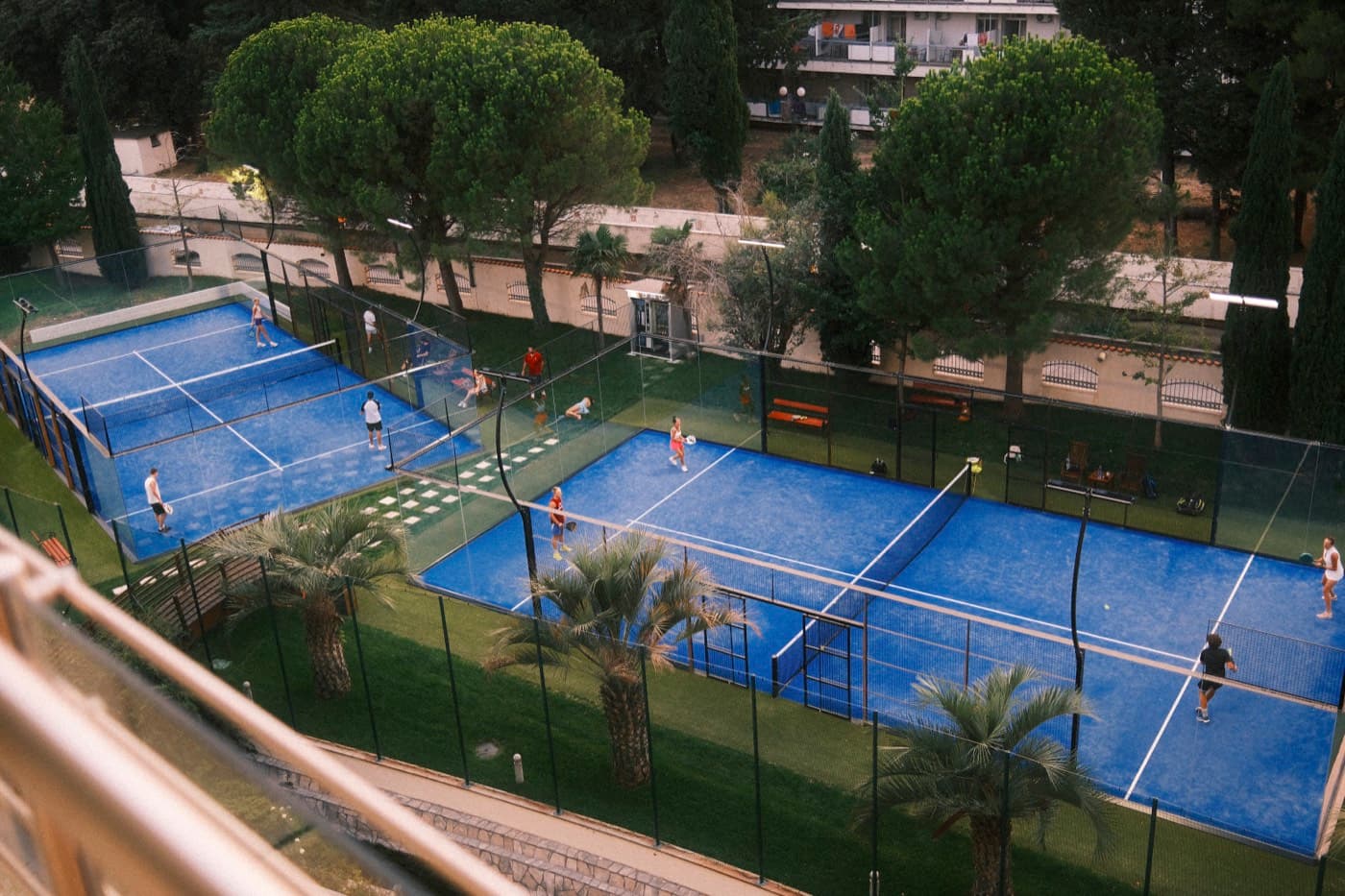
Padel (pronounced roughly 'PAH-del') is a racquet sport played in a walled, glass-and-mesh-enclosed court roughly a third the size of a tennis court, almost always in doubles — and in Spain, it's now the second most popular sport by participation, behind only football. Global padel participation has passed 35 million players across more than 150 countries, and Spain is where the modern professional version of the game really took hold, so it's genuinely part of the local sports culture rather than a tourist novelty.
Quick facts
What padel actually is
Picture tennis crossed with squash: the court is enclosed by glass and mesh walls that the ball can bounce off and stay in play (similar to squash), but scoring, serving underhand, and the overall rhythm of rallies feels closer to tennis. Paddles are solid, stringless bats with holes, not strung rackets, and the smaller court plus the enclosed walls make for fast, close-quarters doubles play that's genuinely easier to pick up for a beginner than tennis — most people can rally within their first session.
Where to find courts and watch
Padel courts are now a common sight across Spanish cities — most sports clubs, many hotels (especially resort-style properties) and dedicated padel centers have them, and public courts exist in most mid-size-and-up towns. For watching rather than playing, the Premier Padel tour (the sport's top professional circuit) runs events in Spain most years, alongside a growing calendar across 18 countries as of 2026 — check Premier Padel's official site for Spain-specific dates if the timing matters to your trip.
Trying it as a visitor
Padel clubs and hotels with courts typically rent paddles and balls, and many offer short beginner clinics or coached sessions — no need to own equipment or have prior racquet-sport experience. Because it's played almost exclusively in doubles, it's also a genuinely social activity to slot into a trip with a group, rather than something to do solo.
Practical tips
- —Book courts ahead where possible, especially evenings and weekends — padel's popularity in Spain means prime-time slots at city clubs fill up fast.
- —If you've played tennis or squash before, expect a short adjustment period rather than starting from zero — the underlying racquet-sport instincts transfer, even though the court and paddle are different.
- —Resort hotels with padel courts often include free or discounted court time for guests — worth checking before booking a separate club session.
- —Casual, comfortable sportswear and court shoes (similar to what you'd wear for tennis) are fine — no specialized padel-specific gear is needed for a first try.