Red Sea Coast: Hurghada and Sharm El Sheikh
Some of the world's most accessible coral reef diving, a genuinely different Egypt trip from temples and tombs
Egypt's Red Sea coast — Hurghada on the mainland and Sharm El Sheikh on the Sinai Peninsula's southern tip — is a beach-and-diving trip that has almost nothing in common with a Nile/pyramids itinerary beyond the shared border, and many visitors combine both rather than choosing one over the other.
Quick facts
Diving and snorkeling
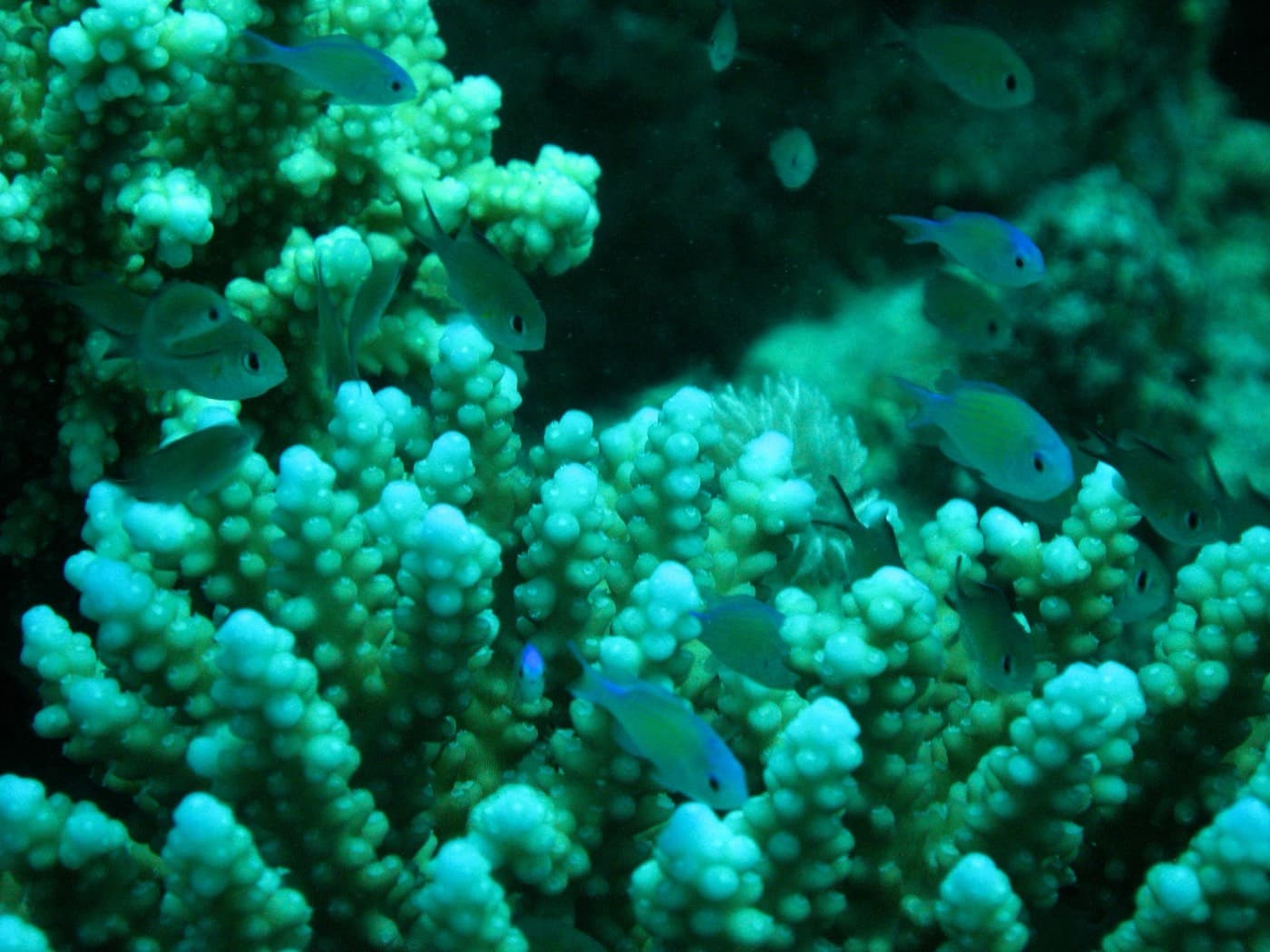
The Red Sea's coral reefs are genuinely among the world's most accessible for both beginner divers and experienced ones chasing wreck dives (the SS Thistlegorm, a WWII-era wreck near Sharm, is one of the world's most famous wreck dives). Visibility is consistently good year-round, and the reef systems sit close enough to shore that day trips don't require long boat transfers.
Hurghada vs. Sharm El Sheikh
Hurghada, on the mainland, is generally the more budget-friendly and larger resort town, with a wider range of hotel price points and a livelier, more built-up strip. Sharm El Sheikh, further south on Sinai, is closer to Ras Mohammed National Park's reef systems and tends to skew toward a slightly higher-end resort market, with Naama Bay as its central hub.
Combining with the rest of Egypt
Both towns have their own international airports, making a Red Sea stay a realistic standalone trip or an easy add-on to a Cairo/Nile itinerary — flying rather than the long overland transfer is the standard way to combine the two halves of an Egypt trip.
Practical tips
- —Book reef or wreck dive trips through a reputable, licensed dive operator — safety standards vary, and this isn't an area to shop purely on price.
- —Hurghada generally offers more budget and mid-range resort options; Sharm El Sheikh skews slightly more upscale and sits closer to Ras Mohammed's best reef sites.
- —Fly between Cairo and the Red Sea coast rather than driving — it's a long overland transfer, and both towns have their own well-served airports.
- —Reef conservation fees and marine park entry fees are standard here — factor them into dive/snorkel trip budgets rather than being surprised on the day.